
Exploring Ancient Civilizations and Their Mysterious Lost Cities
Introduction to Ancient Civilizations
Ancient civilizations have left a profound mark on history, shaping the cultural and societal foundations of the modern world. From the grandeur of the Egyptian Empire to the innovative spirit of Mesopotamia, these civilizations offer a glimpse into our collective past.
The Fascination with Lost Cities
Among the most intriguing aspects of ancient history are the mysterious lost cities. These cities, often hidden beneath forests, deserts, or ocean depths, symbolize the mysteries that still surround ancient societies.
Notable Lost Cities
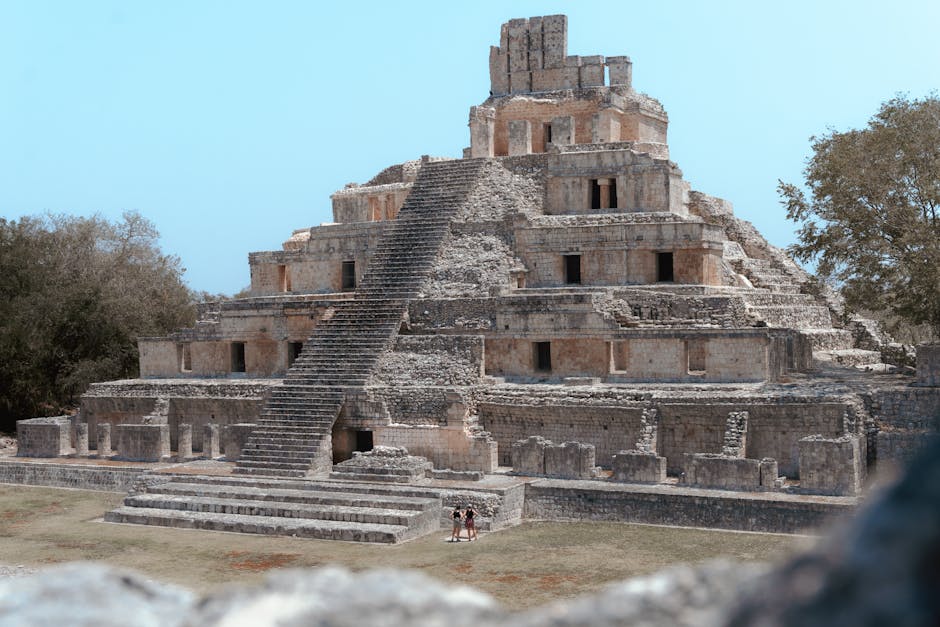
- Maya Cities: Known for their advanced astronomy and architecture, many Maya cities like Tikal remain partially uncovered.
- Ancient Rome: Though not entirely lost, parts of the Roman Empire still harbor undiscovered secrets beneath modern cities.
- Inca Ruins: Machu Picchu is perhaps the most famous, but many other Inca sites are still hidden in the Andes mountains.
- Angkor Wat: The sprawling temple complex in Cambodia reveals the might and mystique of the Khmer Empire.
The Search for Lost Cities
Modern technology, including satellite imaging and ground-penetrating radar, has revolutionized the way archaeologists discover these ancient sites. Advancements in archaeological techniques continue to reveal hidden cities and shed light on their origins and decline.
Importance of Studying Ancient Civilizations
Understanding these ancient societies helps us appreciate their innovations, beliefs, and environmental adaptations. They also serve as cautionary tales about societal collapse and environmental neglect.
Conclusion
The mysteries surrounding lost cities and ancient civilizations intrigue us because they connect us to our past and inspire future discoveries. Whether through exploration missions or historical research, uncovering these secrets remains a captivating pursuit.