
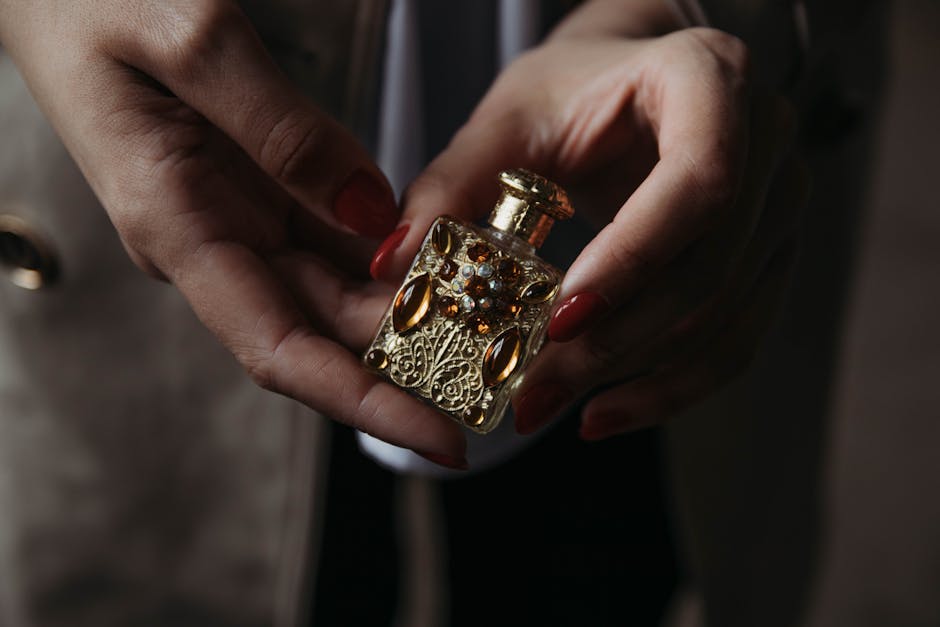
Ancient secrets of perfume making
Perfume making is an ancient art that dates back centuries. From the Egyptians to the Romans, civilizations have long been fascinated with creating alluring scents. Today, we'll dive into the ancient secrets of perfume making and uncover some of the techniques and ingredients used by perfumers throughout history.
One of the earliest records of perfume making can be traced back to ancient Egypt, where aromatic oils and resins were extracted from various plants and used for religious rituals and personal adornment. Egyptians believed that perfumes had magical and spiritual properties and were often associated with gods and goddesses.
The Romans further refined the art of perfume making by developing new techniques such as maceration and distillation. They expanded the range of ingredients used, including floral essences, spices, and animal extracts. Perfumes were a symbol of luxury and were widely used by the upper classes.
In the Middle Ages, perfume making became a highly sought-after skill among European alchemists. They continued to experiment with different ingredients and extraction methods, often combining herbs, flowers, and spices to create unique scents. Perfumes were not just used for personal fragrance but also for medicinal purposes.
During the Renaissance, perfume making thrived in Italy and France. The Italian city of Florence became renowned for its perfumers, who developed innovative techniques and created delicate floral fragrances. In France, the court of Louis XV established the first official perfumery, marking the beginning of the luxury fragrance industry in the country.
Today, perfumers use a combination of traditional and modern techniques to create fragrances that appeal to a wide range of tastes. They draw inspiration from the ancient secrets of perfume making, using ingredients such as flowers, fruits, woods, and spices. Perfume making continues to be a fascinating art form that connects us to our history and the sensory experience of scent.