
Architecture of the Renaissance: From Gothic to Classical
Understanding the Architecture of the Renaissance
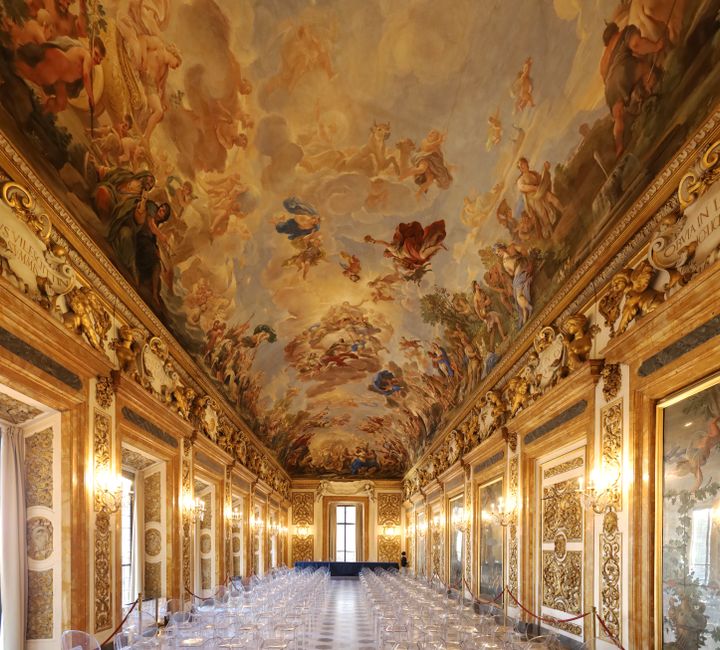
The architecture of the Renaissance marked a significant shift in design philosophy, emphasizing symmetry, proportion, and the revival of classical principles. This period saw a departure from the ornate and complex Gothic structures to more harmonious and balanced classical influences inspired by ancient Greece and Rome.
The Decline of Gothic Architecture
Before the Renaissance, Gothic architecture was characterized by soaring spires, intricate stone tracery, and stained glass windows that created a vertical impression. This style was prevalent across many European cathedrals and castles. With the advent of Renaissance ideas, architects began to favor clarity, order, and rational structure over the gothic verticality.
The Rise of Classical Elements
Renaissance architects incorporated elements such as columns, pilasters, arches, and domes, derived from classical architecture inspiration. The egg-and-dart moulding, pediments, and harmonious proportions became fundamental features in buildings like the architectural masterpieces of this era.
Key Figures in Renaissance Architecture
Architects like Filippo Brunelleschi and Leon Battista Alberti pioneered new construction techniques and design principles that defined Renaissance architecture. Brunelleschi's work on the Florence Cathedral dome exemplifies a mastery of classical design combined with innovative engineering.
Notable Renaissance Structures
Some iconic structures include the churches and palaces that showcase the elegant fusion of Gothic grandeur with classical harmony. These buildings continue to influence architectural styles today.
To learn more about the impact of Renaissance architecture on modern design, explore additional resources and visit historical sites to appreciate the enduring beauty of this architectural transition.