
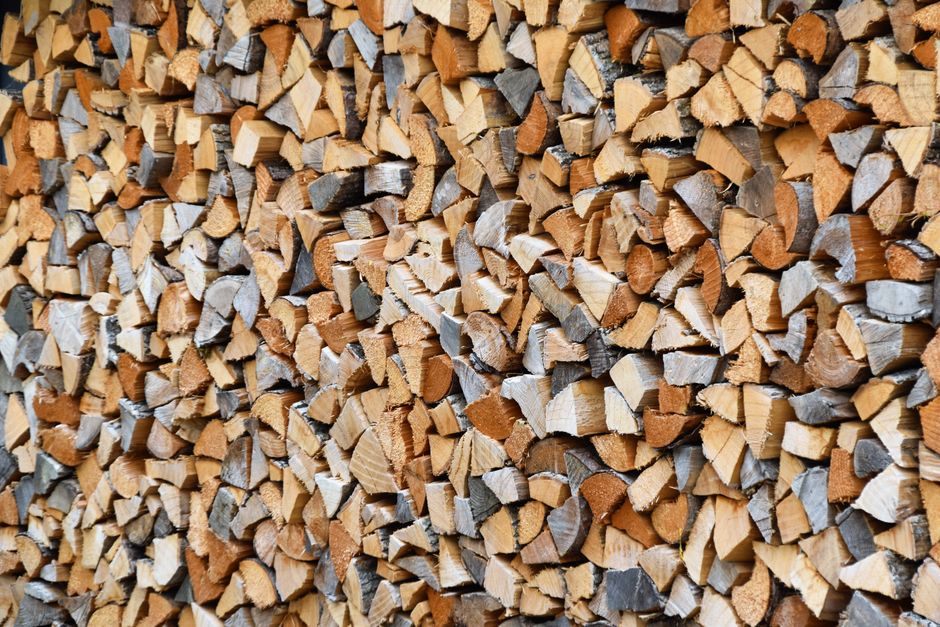
Biomass Energy: Sustainable Solutions for a Greener Future
Understanding Biomass Energy
Biomass energy is a form of renewable energy derived from organic materials such as wood, agricultural crops, and waste. It has gained increasing attention as an alternative to traditional fossil fuels due to its potential to reduce greenhouse gas emissions and promote sustainable development.
Benefits of Biomass Energy
- Renewable Source: Biomass is constantly replenished through natural growth, making it a sustainable energy option.
- Carbon Neutrality: When managed properly, biomass combustion releases only the amount of carbon dioxide absorbed during the plants' growth cycle.
- Waste Reduction: Utilizing agricultural and forestry waste helps reduce landfill volumes and promotes waste recycling.
- Energy Security: Local biomass resources decrease dependence on imported fuels and boost regional energy independence.
Applications of Biomass Energy
Biomass energy can be harnessed in various ways, including:
- Power generation: Converting biomass into electricity through combustion or gasification.
- Heating systems: Providing warmth in residential and industrial settings using biomass boilers.
- Biofuels: Producing biodiesel and ethanol for transportation uses.
The Future of Biomass Energy
With advancements in technology and increasing awareness of environmental issues, biomass energy continues to evolve. Innovative methods such as gasification and advanced conversion technologies hold promise for making biomass a more efficient and widespread energy source.
Learn More About Renewable Energy
Interested in exploring other renewable options? Check out our articles on solar energy benefits and wind power overview to see how they complement biomass energy in building a sustainable energy mix.
Conclusion
Biomass energy plays a vital role in transitioning to a cleaner and more sustainable future. By harnessing organic resources responsibly, we can reduce our carbon footprint and promote a healthier planet for generations to come.