
Understanding Biometric Data and Cybersecurity Threats
Introduction to Biometric Data
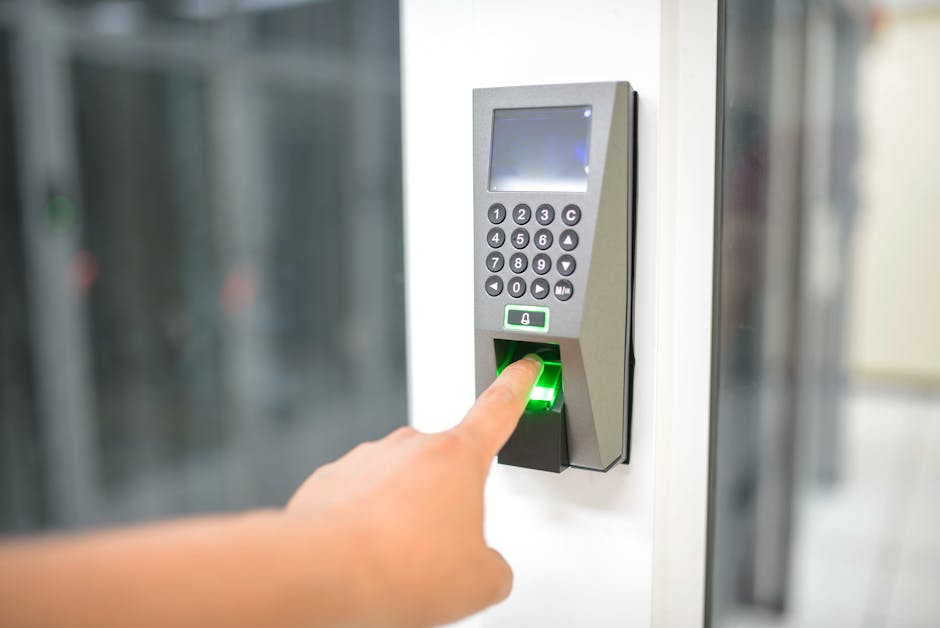
Biometric data refers to unique physical or behavioral characteristics used to verify identity, such as fingerprints, facial recognition, and voice patterns. As digital security becomes increasingly important, biometric authentication systems are widely adopted across various sectors.
The Role of Biometric Data in Security
Biometric data enhances security by providing a personalized and difficult-to-forge method of authentication. Many organizations implement biometric authentication to safeguard access to sensitive information and resources. For more information on biometric data benefits, read our comprehensive guide.
Cybersecurity Threats Targeting Biometric Data
Despite its advantages, biometric data presents unique cybersecurity challenges. Cybercriminals may attempt to steal or manipulate biometric data through hacking or malware attacks, leading to identity theft and unauthorized access. Unlike passwords, biometric traits cannot be changed if compromised, making security measures crucial.
Protecting Your Biometric Information
To mitigate cybersecurity threats, it is vital to implement robust security protocols such as encryption, secure storage, and multi-factor authentication. Stay informed about best practices for cybersecurity to better protect your biometric information.
Future of Biometric Security
As technology advances, biometric systems are becoming more sophisticated, but so are cyber threats. Continuous research and development are essential to ensure the security and privacy of biometric data in the digital age.
Quantum-computing-impact-on-biometric-protections--
Cyber-threat-actors-exploiting-identity-thefts-in-
Facial-recognition-fraud-prevention-techniques-everyone-must-know--
Biometric-authentication-your-smart-home-security-ultimate-guide