
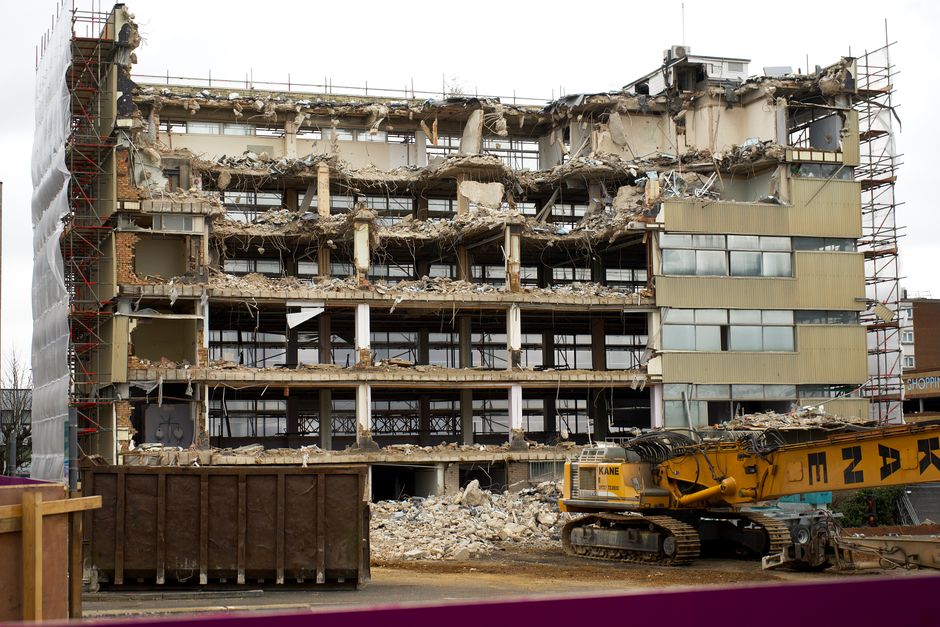
Comprehensive Guide to Brownfield Redevelopment
Understanding Brownfield Redevelopment
Brownfield redevelopment refers to the process of revitalizing contaminated or previously used industrial land for new purposes such as residential, commercial, or public spaces. This approach plays a vital role in sustainable urban growth and environmental cleanup.
The Importance of Brownfield Redevelopment
Transforming brownfields helps reduce urban sprawl, conserves green spaces, and promotes economic development. It also mitigates environmental hazards and improves community health. Learn more about the importance of sustainable urban development.
Steps Involved in Brownfield Redevelopment
- Site Assessment: Conduct environmental assessments to identify contamination levels.
- Remediation Planning: Develop strategies to clean up pollutants.
- Financing: Secure funding, grants, or incentives for redevelopment projects.
- Development: Design and implement redevelopment plans.
- Monitoring: Track progress and ensure compliance with environmental standards.
Benefits of Brownfield Redevelopment
- Environmental improvement
- Economic revitalization
- Enhanced community spaces
- Reduced urban sprawl
Challenges Faced in Redevelopment
Common obstacles include high remediation costs, regulatory hurdles, and community opposition. Overcoming these challenges requires collaboration among developers, authorities, and local residents.
Successful Case Studies
Many cities worldwide have successfully redeveloped brownfield sites. For example, the Downtown Asset Redevelopment Project transformed a former industrial area into a vibrant mixed-use neighborhood.
Resources and Incentives
Various programs are available to support brownfield redevelopment, such as federal grants and local tax incentives. Check out the brownfield redevelopment grants and incentives for more information.