
Building Strong Communication Skills
Communication is the foundation of every successful relationship, both personal and professional. Building strong communication skills can greatly enhance your ability to effectively express yourself and connect with others. Whether you're looking to improve your communication skills in the workplace or in your personal life, there are several strategies you can implement to become a more effective communicator.
1. Active Listening: One of the key aspects of effective communication is being an active listener. This involves giving your full attention to the speaker, maintaining eye contact, and avoiding distractions. Listening actively helps you understand the speaker's perspective and enables you to respond appropriately.
2. Clear and Concise Expression: Good communication requires clear and concise expression of your thoughts and ideas. Avoid using jargon or technical terms that the listener may not understand. Use simple and straightforward language to ensure your message is easily comprehensible.
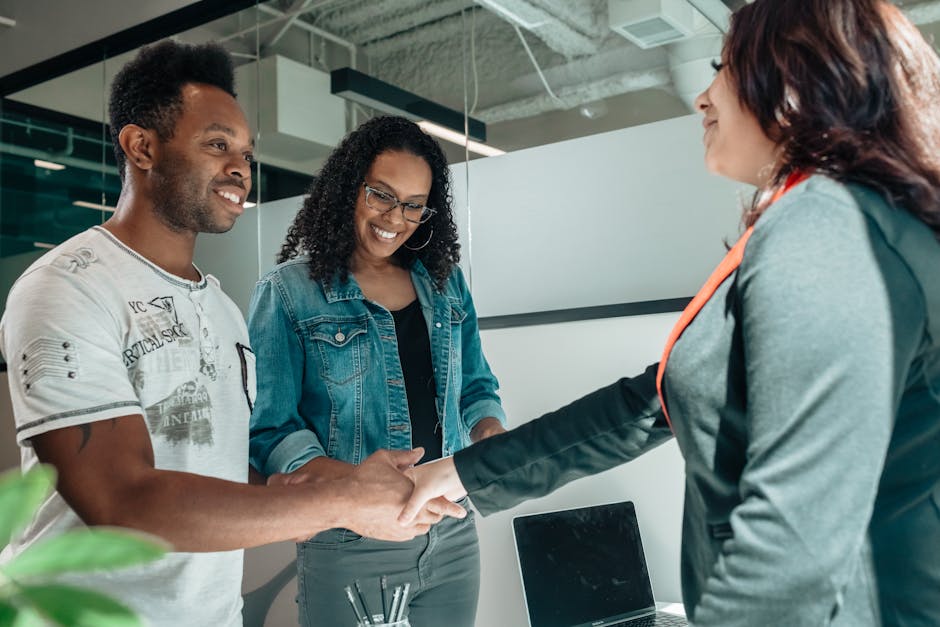
3. Non-Verbal Communication: Non-verbal cues such as facial expressions, body language, and tone of voice play a significant role in communication. Pay attention to your non-verbal signals and make sure they align with your verbal message. Gestures and expressions should complement the spoken words.
4. Empathy and Understanding: To build strong communication skills, it's essential to develop empathy and understanding towards others. Put yourself in their shoes and try to see things from their perspective. Show genuine interest, listen attentively, and respond with empathy.
5. Feedback and Clarification: Effective communication involves continuous feedback and clarification. Ask for feedback from others to ensure your message was understood as intended. Similarly, if you don't understand something, seek clarification to avoid misunderstandings.
By implementing these strategies and practicing them regularly, you can build strong communication skills that will positively impact your relationships, both personal and professional. Remember, effective communication is a two-way process that requires active participation from both the sender and the receiver.
Unlocking-the-power-of-active-listening-for-better-connections
Mastering-non-verbal-cues-to-enhance-your-communication-prowess
The-secret-to-persuasive-speaking:-Captivate-any-audience!
Building-bridges,-not-walls:-Overcoming-communication-barriers-in-diverse-workplaces