
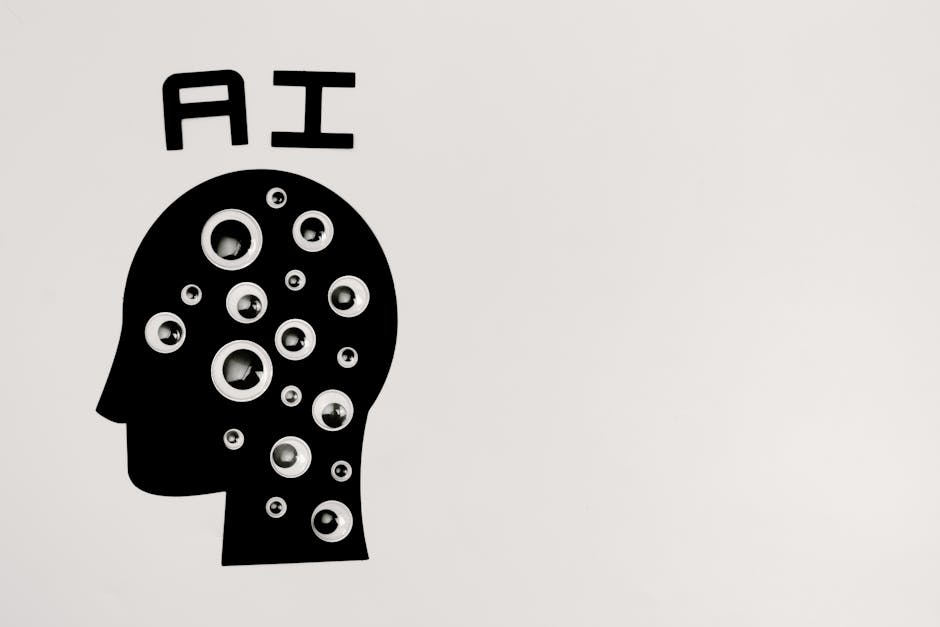
Can AI Predict the Next Great Scientific Revolution?
Introduction
The rapid advancements in artificial intelligence have sparked a new era of possibilities across various fields of science. Researchers are now asking whether AI can do more than assist in research—can it potentially predict the next great scientific revolution?
The Role of AI in Scientific Discoveries
AI techniques such as machine learning and data analytics have revolutionized how scientists analyze data, identify patterns, and generate hypotheses. For instance, in areas like genomics and material science, AI models are capable of predicting properties and behaviors previously unknown to researchers.
Can AI Anticipate Breakthroughs?
While AI has shown promising results in drug discovery and fundamental physics, the question remains whether it can predict the next great scientific revolution. Currently, AI systems excel at recognizing existing patterns but predicting paradigm-shifting discoveries involves understanding complex, often unpredictable scientific processes.
Challenges and Future Prospects
Despite impressive advancements, there are challenges such as data quality, interpretability, and the need for human intuition in scientific breakthroughs. Looking ahead, integrating AI with human ingenuity holds promising potential to accelerate the pace of discovery and perhaps even guide us toward the next revolutionary scientific discovery.
Conclusion
AI is transforming the landscape of science, empowering researchers to make significant strides faster than ever. Whether it can *predict* the next major scientific revolution remains to be seen, but its role as a catalyst is undeniable. For those interested in the future of technology and science, exploring the impact of AI on scientific progress is a compelling journey.