
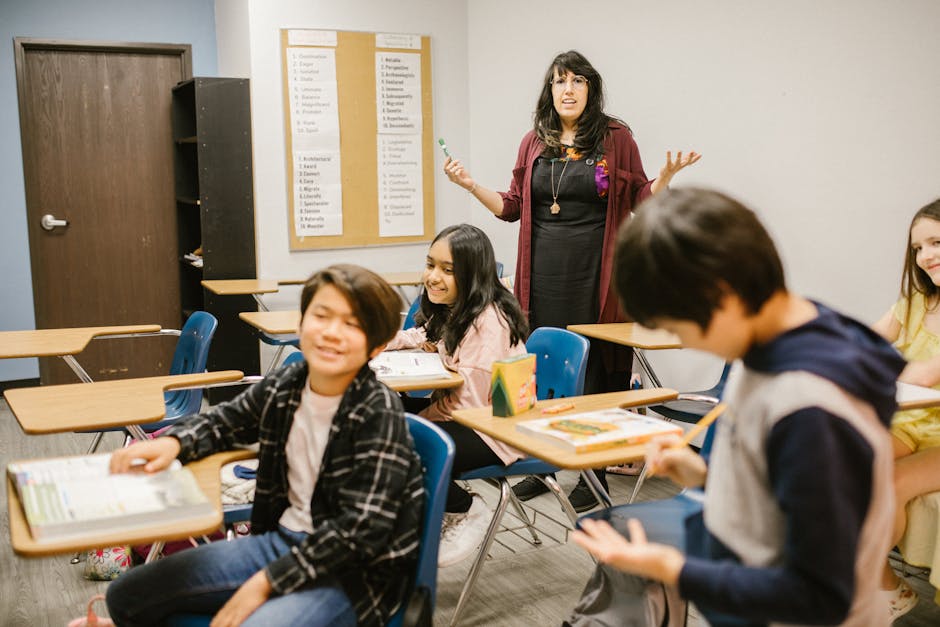
Enhancing Classroom Engagement: Strategies for Educators
Introduction to Classroom Engagement
Creating an engaging classroom environment is essential for promoting active learning and student motivation. Classroom engagement not only helps students retain information better but also encourages participation and collaboration among peers.
Why Is Classroom Engagement Important?
Engaged students tend to perform better academically and develop critical thinking skills. When students are actively involved in lessons, they are more likely to internalize concepts and develop a love for learning. For additional insights, visit our resource page.
Strategies to Enhance Classroom Engagement
- Interactive Discussions: Encourage open-ended questions and facilitate discussions to give students a voice in their learning.Learn more about promoting discussions.
- Use of Technology: Incorporate educational technology such as clickers, online quizzes, and multimedia tools to make lessons more dynamic.Guide to integrating technology.
- Group Activities: Create collaborative projects that require teamwork and problem-solving skills.Examples of group activities.
- Real-World Applications: Connect lessons to real-life situations to increase relevance and interest.How to apply real-world contexts.
- Student Choice: Allow students to select topics or projects that interest them to foster autonomy.Empowering student choice.
Conclusion
Effective classroom engagement techniques can transform the learning experience for students and teachers alike. By implementing strategies such as interactive discussions, technology integration, and real-world applications, educators can create a vibrant and participatory environment that promotes lifelong learning.
Explore more about classroom engagement