
Understanding Complexity Theory: The Basics and Applications
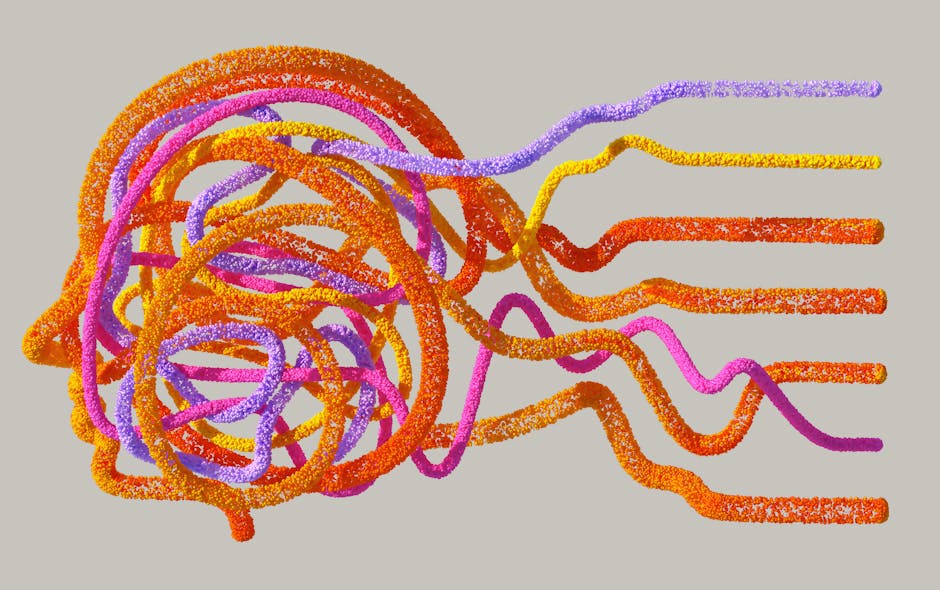
Complexity theory is a fascinating area of study that examines how complex systems and behaviors emerge from simple interactions. It plays a crucial role in understanding phenomena across numerous disciplines, such as complexity theory overview, applications of complexity theory, and the ways in which simple rules give rise to intricate patterns.
One of the core principles of key concepts in complexity theory is the idea of emergence, where larger entities, patterns, and regularities arise through interactions among smaller or simpler entities that themselves do not exhibit such properties. This concept helps in understanding how organizations like complex adaptive systems adapt and evolve over time.
In computer science, complexity theory is fundamental to analyzing algorithm efficiency and computational limits, as detailed in our computational complexity section. Meanwhile, in physics and biology, it aids in comprehending how systems like weather patterns or ecological networks maintain and change their states.
Understanding the principles of learning complexity theory can empower researchers and enthusiasts to better analyze complex phenomena and develop innovative solutions to real-world problems.