
Preserving Our Roots: The Importance of Cultural Heritage Preservation
Cultural heritage preservation plays a vital role in maintaining the identity and history of communities worldwide. By protecting tangible and intangible assets, societies ensure that future generations can learn from and appreciate their origins.
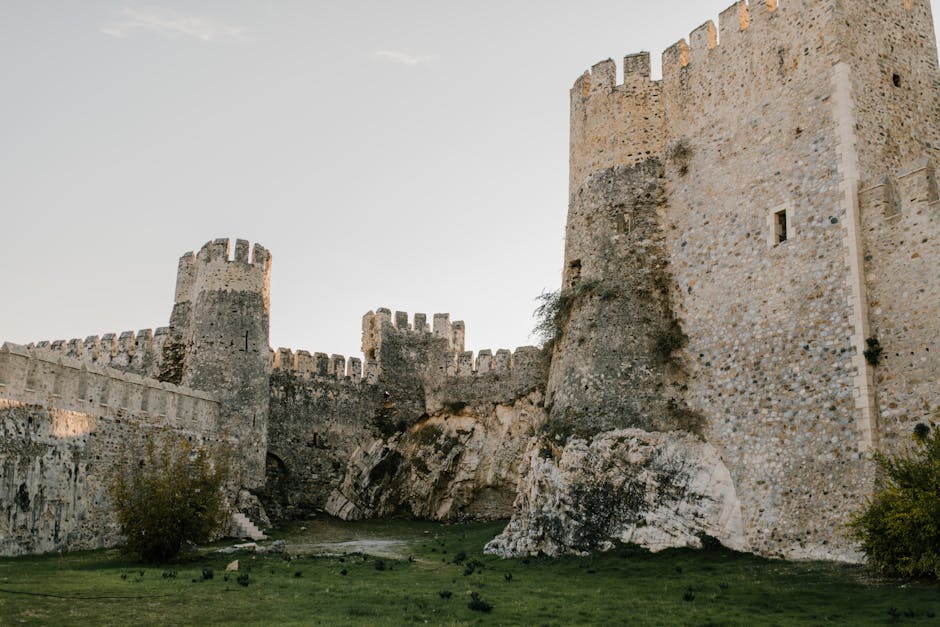
One of the key aspects of cultural heritage preservation is safeguarding historic landmarks and monuments. These structures often symbolize a community’s unique history and cultural milestones. Restoring and maintaining these sites requires coordinated efforts from governments, organizations, and local communities.
In addition to physical sites, preserving intangible elements such as traditional practices, music, and festivals is equally important. These traditions contribute to the diversity and richness of human culture. Protecting traditional arts and practices ensures they are passed down to future generations, keeping the cultural fabric vibrant.
Educational programs and community involvement are essential tools in cultural heritage preservation initiatives. By raising awareness and fostering pride, communities can become active participants in safeguarding their cultural assets.
As globalization influences local cultures, the importance of preserving local versus global cultural identity becomes even more apparent. Balancing modernization with preservation efforts helps maintain the uniqueness of each community’s heritage.
Ultimately, why cultural heritage matters extends beyond preservation—it promotes understanding, respect, and appreciation for diverse cultures around the world.