
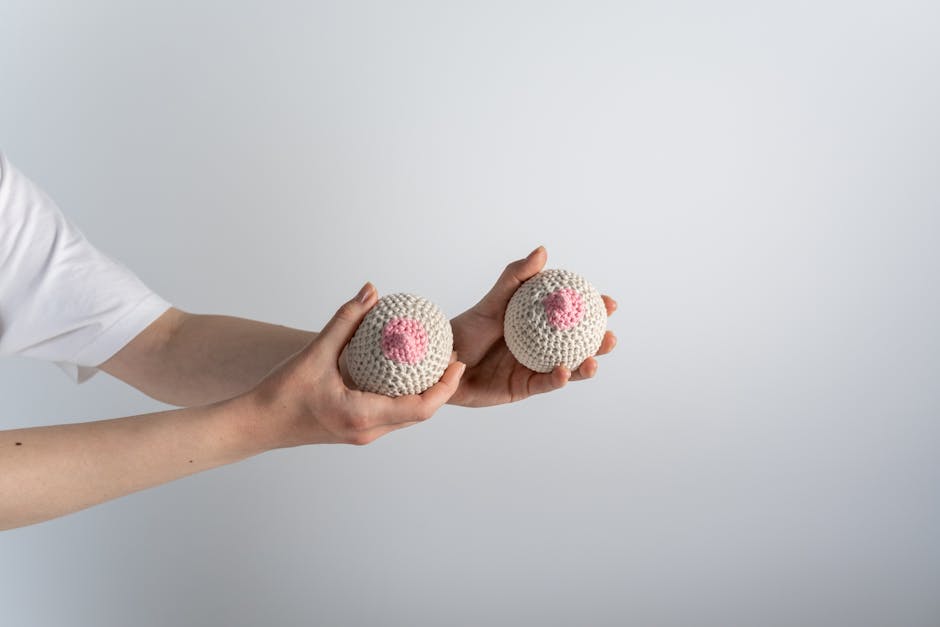
Designing for the Senses: Stimulate Your Mind with Beautifully Designed Spaces that Nurture All Five Senses
Designing for the Senses: Stimulate Your Mind with Beautifully Designed Spaces that Nurture All Five Senses
When it comes to creating spaces that truly inspire and uplift, it's not just about visual appeal. Designing for the senses involves creating environments that engage and stimulate all five senses - sight, smell, taste, touch, and sound.
Research has shown that sensory design can have a profound impact on our wellbeing and overall experience of a space. By carefully considering how each sense is incorporated into a design, we can create environments that promote relaxation, creativity, and mindfulness.
So how do you go about designing for the senses? Here are some key principles to keep in mind:
- Visual Appeal: Utilize colors, patterns, and textures to create visually stimulating and harmonious spaces. Consider the use of natural light to enhance the visual experience.
- Aromatherapy: Introduce pleasing scents that promote a sense of calm and relaxation. Essential oils, candles, and fresh flowers can add a delightful olfactory dimension to a space.
- Tactile Elements: Incorporate materials with varying textures that invite touch and physical interaction. Think soft rugs, smooth countertops, and textured wall finishes.
- Taste Sensations: If appropriate, consider incorporating a designated space for enjoying food and beverages. This could be a cozy kitchen nook or a stylish dining area that appeals to the sense of taste.
- Acoustic Environment: Pay attention to the soundscape of a space. Minimize background noise and introduce soothing sounds like water features or gentle music to create a calming sonic atmosphere.
By intentionally incorporating these elements into your designs, you can create spaces that engage and nurture all five senses, promoting a holistic experience and optimal wellbeing for occupants.
Remember, designing for the senses is not just limited to residential spaces. It is equally important in commercial settings such as restaurants, hotels, spas, and offices. Creating sensory-rich environments can enhance customer experiences, improve productivity, and create a lasting positive impression.
So, if you're ready to take your designs to the next level, start by considering how you can engage and stimulate the senses. From beautiful visuals to captivating aromas and tactile experiences, let your creativity flow and design spaces that truly nurture the mind and soul.
Aromatic-environments:-Indulge-in-the-power-of-scent-to-create-an-atmosphere-of-blissful-relaxation
Sensory-deprivation:-Exploring-the-benefits-of-sensory-isolation-chambers-for-mental-rejuvenation
Synesthesia-inspired-design:-Discover-how-color,-texture,-and-sound-can-evoke-multiple-sensory-perceptions-simultaneously
Tactile-aesthetics:-Unleashing-the-potential-of-touch-through-interactive-and-textured-design