
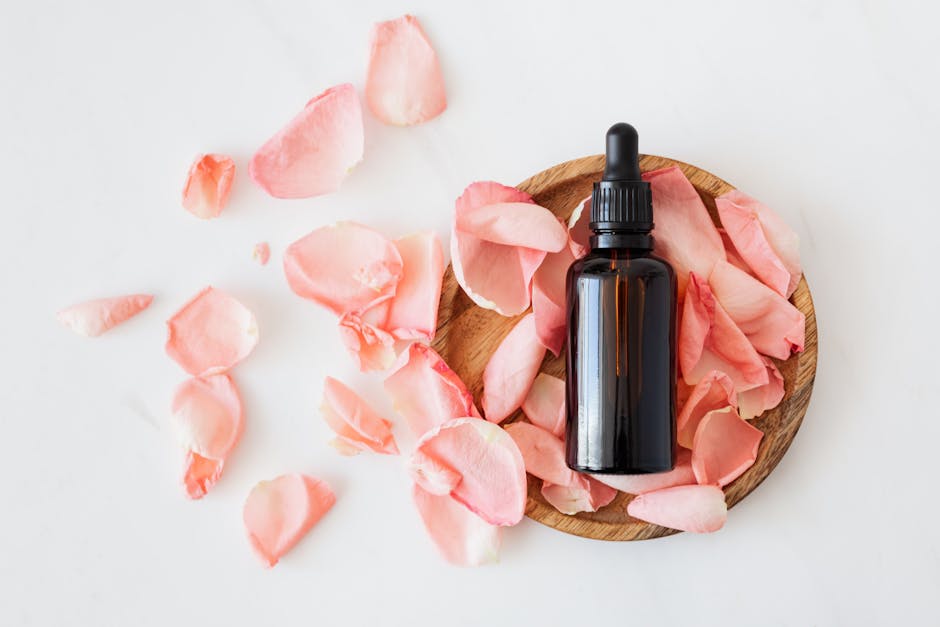
Edible Aromas: Exploring the Boundary Between Food and Fragrance in Modern Perfumery
Understanding Edible Aromas
Edible aromas refer to scents derived from food ingredients that can be both enjoyed through taste and experienced through smell. These fragrances are increasingly popular in fragrance design because they evoke comfort, familiarity, and sensory richness.
The Intersection of Food and Fragrance
Traditionally, perfumery focused on floral, woody, and citrus notes. However, modern perfumers are now exploring food-inspired scents to create innovative and memorable fragrances that blur the lines between food and scent.
Common Edible Aromas in Modern Perfumery
- Vanilla
- Cinnamon
- Bergamot
- Honey
- Almond
These aromas are chosen for their sensory associations with comfort and indulgence, making fragrances more appealing and relatable.
Applications and Benefits
Edible aromas are used not only in luxury perfumery but also in personal care products to evoke nostalgia and enhance emotional connections. They also open up new avenues for AI-driven scent creation and sustainable practices.
Future Perspectives
The boundary between food and beverage industries and perfumery continues to dissolve, fostering innovation and creativity. As consumers seek more immersive experiences, edible aromas will play a pivotal role in shaping the future of scent design.