
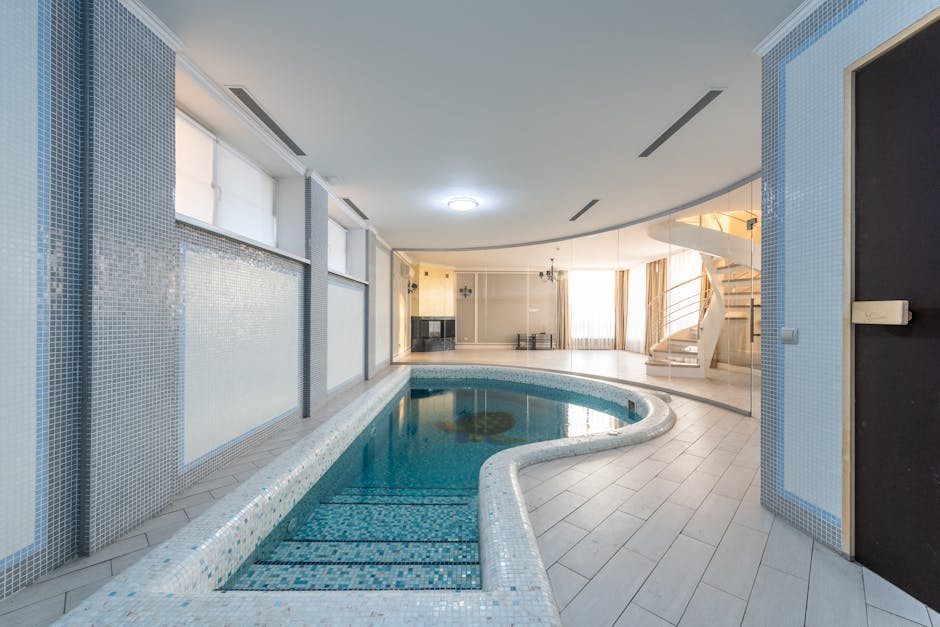
Emotional Resonance in Architecture: How Design Choices Impact Our Feelings and Well Being
When we think of architecture, we often focus on the physical aspects, such as the materials used, the structural design, and the overall aesthetics. However, architecture goes beyond mere functionality and visual appeal. It has the power to evoke deep emotions and greatly influence our well-being.
Emotional resonance in architecture refers to the ability of built spaces to connect with individuals on an emotional level. It is the intangible quality that creates a sense of belonging, joy, tranquility, or even nostalgia within us when we enter a building or space.
One of the key factors that contribute to emotional resonance is the design choices made by architects. These choices encompass everything from the layout and flow of the space to the choice of materials, colors, and lighting. Each element works together to evoke specific emotions and create a desired atmosphere.
For example, a building with large windows and an open floor plan can elicit a sense of freedom, expansiveness, and connection to nature. On the other hand, a space with low ceilings and dim lighting may evoke feelings of coziness, intimacy, and security.
Moreover, architectural features that reflect cultural or historical references can also evoke strong emotional responses. A building that incorporates elements of a specific time period or pays tribute to a local heritage can create a sense of pride and connection to one's roots.
Additionally, the use of natural materials, such as wood, stone, or plants, has been proven to positively impact our well-being. Biophilic design, which incorporates elements of nature into built environments, can reduce stress, improve focus, and promote a sense of calmness and serenity.
Architects and designers have the responsibility to consider the emotional impact of their design choices. By creating spaces that resonate with people on a deep emotional level, they can enhance the quality of life and well-being of individuals.
In conclusion, emotional resonance in architecture is a fascinating concept that highlights the profound impact design choices can have on our emotions and overall well-being. By carefully considering the layout, materials, colors, and cultural references, architects can create spaces that elicit specific emotions and create a sense of connection and belonging. The power of architecture goes beyond the physical; it is an art form that stirs our souls and shapes our experiences.
Creating-architectural-harmony:-The-impact-of-colors-and-materials-on-our-well-being
Unleashing-the-power-of-natural-light-in-architecture:-Enhancing-emotional-connection-with-our-spaces
The-psychology-of-architectural-space:-Understanding-how-size-and-scale-affect-our-moods
From-sanctuary-to-stimulation:-Designing-spaces-that-evoke-positive-emotional-responses And-now-introducing-two-tangential-keywords:
Harnessing-the-artistic-realm:-Exploring-the-interplay-between-architecture-and-visual-arts
Sustainable-design-for-emotional-sustainability:-Balancing-eco-friendly-practices-with-human-well-being