
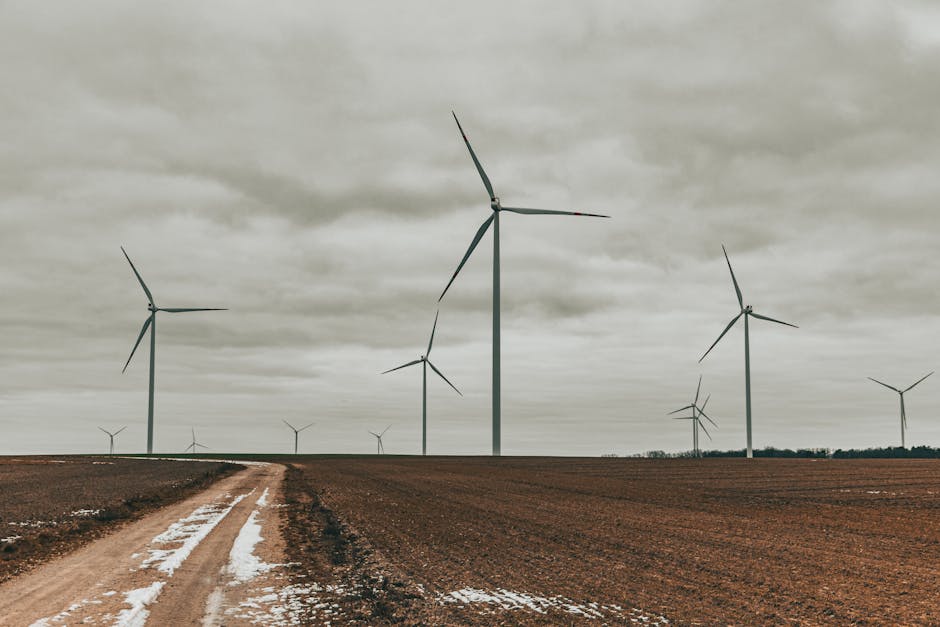
Understanding the Energy Transition: A Path Toward Sustainable Future
What is the Energy Transition?
The energy transition refers to the global shift from traditional fossil fuels to more sustainable and renewable energy sources. This movement is crucial for combating climate change and ensuring energy security for future generations.
Why Is the Energy Transition Important?
Redirecting towards renewable energy sources such as solar power, wind energy, and hydropower can significantly reduce greenhouse gas emissions. It also helps decrease reliance on finite resources and creates new economic opportunities.
Challenges in the Transition Process
Despite its benefits, the energy transition faces hurdles such as infrastructure costs, technological advancements, and policy frameworks. Overcoming these challenges requires collaboration among governments, industries, and communities.
Innovations Driving the Transition
Advancements in energy storage technologies and smart grids are vital for managing renewable energy fluctuations. Continued research and development are essential to facilitate a smooth transition.
How You Can Contribute
Individuals can support the energy transition by reducing energy consumption, investing in renewable energy solutions, and advocating for sustainable policies.
Learn more about the benefits of renewable energy and how it can positively impact our planet and economy.