
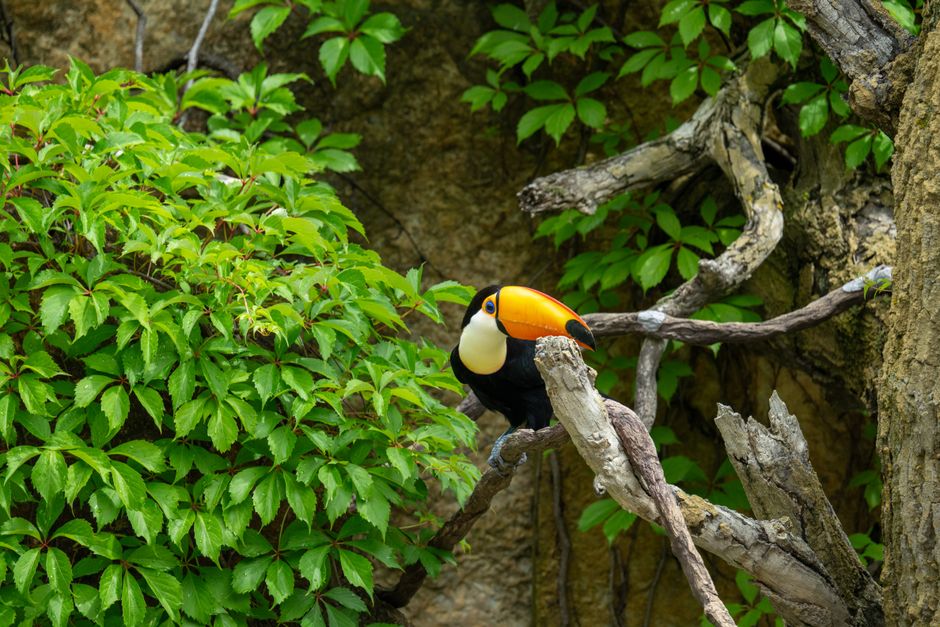
Ethical Wildlife Encounters: How to Engage with Nature while Protecting its Fragile Ecosystems
Wildlife encounters offer unique opportunities to connect with nature and observe the incredible diversity of species that thrive in our planet's ecosystems. However, it is crucial to approach these encounters ethically to ensure minimal impact on wildlife and their habitats.
Here are some tips on how to engage with nature while protecting its fragile ecosystems:
- Research and Choose Responsible Operators: Before embarking on a wildlife encounter, ensure that the operator follows ethical practices. Look for reputable organizations that prioritize animal welfare, conservation, and environmental sustainability.
- Respect Wildlife Distances: Maintain a safe distance from wildlife to avoid causing stress or disturbance. Use binoculars or zoom lenses for closer views instead of getting too close and interfering with their natural behavior.
- Do Not Feed or Touch Wildlife: Feeding wild animals disrupts their natural feeding patterns and can negatively affect their health. Touching wildlife can transmit diseases and may lead to habituation, making them dependent on humans for survival.
- Observe from a Distance: Enjoy observing wildlife from a distance, allowing them to carry on with their natural behaviors undisturbed. Avoid getting too close, especially during sensitive times such as breeding, nesting, or other critical life stages.
- Choose Responsible Wildlife Tourism: Responsible wildlife tourism aims to minimize negative impacts and support conservation efforts. Avoid activities that involve captive animals or those that exploit wildlife for entertainment purposes.
- Learn About Wildlife Behavior: Educate yourself about the behavior, needs, and habitats of the wildlife you wish to encounter. This knowledge will help you understand their actions better and respect their boundaries.
By following these guidelines, you can enjoy ethical wildlife encounters while contributing to the conservation of fragile ecosystems. Remember that responsible behavior towards nature is crucial for the long-term survival of wildlife and their habitats.
Wildlife-conservation:-The-importance-of-preserving-biodiversity-
Eco-tourism:-Balancing-travel-experiences-with-environmental-sustainability-
Sustainable-travel:-Tips-to-reduce-your-carbon-footprint-while-exploring-the-world-
Responsible-tourism:-Promoting-ethical-practices-during-your-adventures-
Endangered-species-protection:-Taking-action-to-save-wildlife-from-extinction
Eco-tourism:-Balancing-travel-experiences-with-environmental-sustainability-
Sustainable-travel:-Tips-to-reduce-your-carbon-footprint-while-exploring-the-world-
Responsible-tourism:-Promoting-ethical-practices-during-your-adventures-
Endangered-species-protection:-Taking-action-to-save-wildlife-from-extinction