
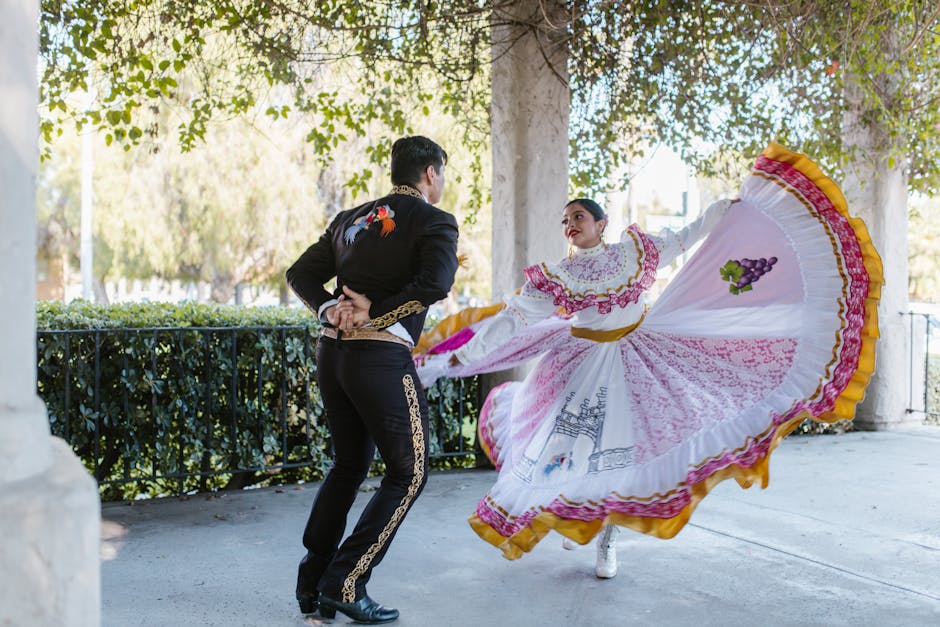
Evolution of Mariachi Music Through History
The Origins of Mariachi
Mariachi music is a cherished part of Mexican culture, with roots tracing back to the 19th century in the state of Jalisco. The early traditional mariachi consisted of string instruments like violins, vihuelas, and guitars, played by local musicians during celebrations and communal gatherings.
Foundational Elements of Mariachi
By the early 20th century, mariachi had become a symbol of Mexican identity. Its melodies often conveyed themes of patriotism, love, and history. The addition of trumpets in the 1930s marked a significant evolution, enriching the sound and broadening its appeal.
Global Influence and Modern Trends
In the latter half of the 20th century, modern influences and collaborations with other genres helped popularize mariachi worldwide. Contemporary groups incorporate elements of jazz, pop, and rock, while still honoring traditional styles. This blending keeps the genre dynamic and relevant for new generations.
Mariaci's Cultural Significance Today
Today, mariachi continues to be an integral part of celebrations like weddings, festivals, and national holidays. Its evolution reflects the adaptability of the genre and its ability to honor roots while embracing change.
For those interested in the musical craftsmanship, exploring the history of mariachi instruments offers insight into the genre’s development. The enduring popularity of mariachi is a testament to its deep cultural significance and versatility across different eras.