
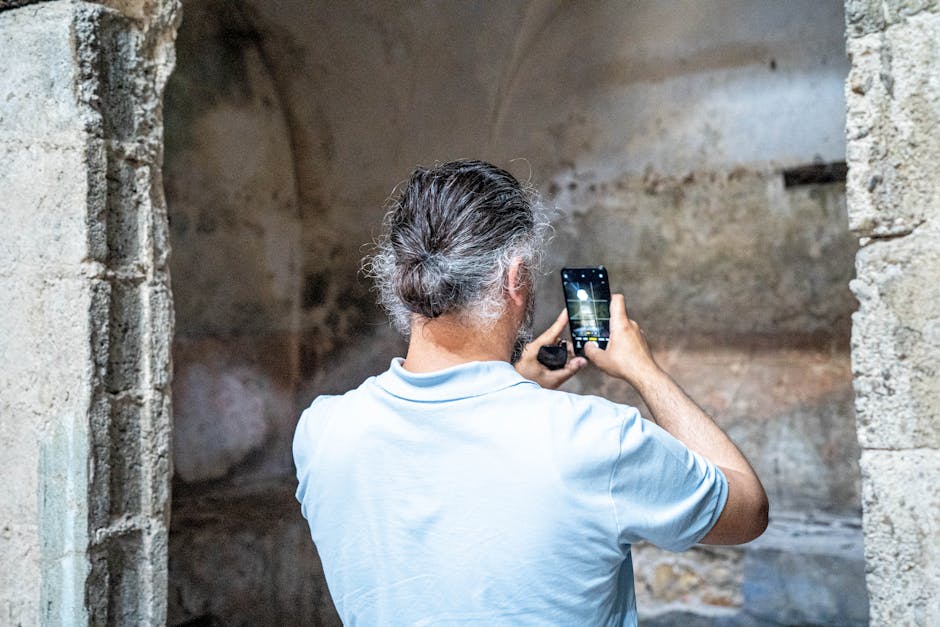
Exploring the Role of Digital Technology in Preserving Heritage Sites
Introduction
Heritage sites hold invaluable cultural, historical, and architectural significance. Protecting these sites has become a priority for preservation groups, governments, and communities around the world. Heritage preservation has evolved significantly with the advent of innovative digital technology.
The Impact of Digital Technology on Heritage Preservation
Digital technology offers a range of tools that help document, analyze, and restore heritage sites. 3D scanning, virtual reality, and augmented reality are transforming how we educate the public and engage with our history.
3D Modeling and Scanning
High-resolution 3D scanning creates detailed digital replicas of monuments and archaeological sites. These models serve as invaluable resources for restoration efforts and virtual tours, allowing people to explore sites remotely.
Virtual and Augmented Reality
Virtual reality (VR) and augmented reality (AR) applications provide immersive experiences, making heritage sites accessible to a global audience. These technologies are especially beneficial for inaccessible or fragile locations.
Case Studies and Success Stories
Many heritage sites have benefited from digital preservation projects. For example, the digital reconstruction of the Machu Picchu allowed tourists to explore the site virtually, reducing foot traffic while preserving the location. Similarly, the Roman Empire archaeological sites have been documented in detail using digital tools, aiding ongoing research and restoration.
Conclusion
Embracing digital tools is essential for the future of heritage preservation. They enable us to safeguard cultural heritage while making it accessible to a wider audience. As technology continues to advance, the possibilities for preserving our shared history are limitless.