
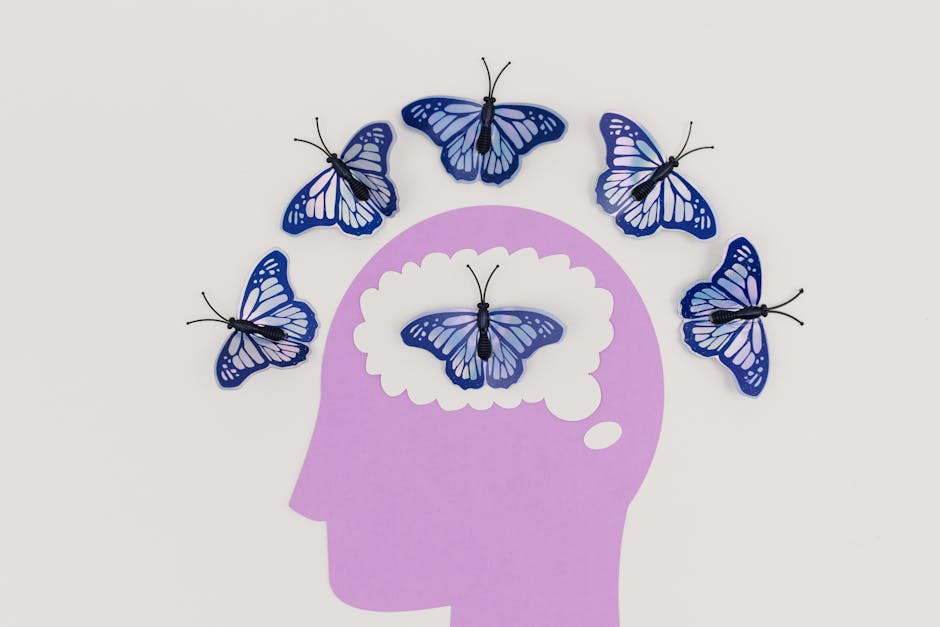
Exploring Neuroplasticity Through Meditation Practices for Mindful Transformation
Understanding Neuroplasticity and Its Potential
Neuroplasticity refers to the brain's remarkable ability to reorganize itself by forming new neural connections throughout life. This adaptability allows us to learn new skills, recover from injuries, and adapt to changing environments.
The Role of Meditation in Enhancing Brain Flexibility
Recent studies have shown that regular meditation practices can significantly influence neuroplasticity. By consistently engaging in mindfulness and concentration exercises, individuals can strengthen neural pathways associated with attention, emotional regulation, and cognitive flexibility.
Types of Meditation to Promote Neuroplasticity
- Mindfulness Meditation: Focuses on present-moment awareness and acceptance.
- Body Scan Meditation: Involves systematic attention to different parts of the body, promoting relaxation and neural integration.
- Guided Visualization: Uses mental imagery to engage creative and limbic brain areas.
Practical Tips to Incorporate Meditation for Brain Health
To harness the benefits of neuroplasticity, start with short daily sessions, gradually increasing duration and complexity. Creating a dedicated meditation space and maintaining consistency can enhance results.
Conclusion: Unlocking Your Brain's Potential
By exploring various meditation practices, you can foster neuroplasticity that leads to improved mental clarity, emotional resilience, and lifelong learning. Embrace mindful habits to support your brain's capacity to adapt and grow.