
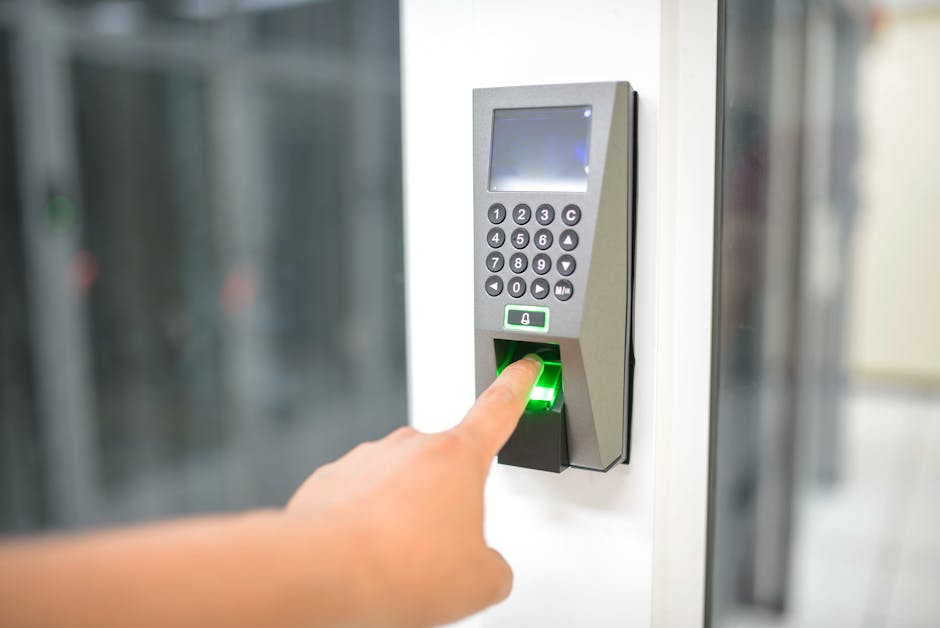
Understanding Fingerprint Scanning: The Future of Biometric Security
Introduction to Fingerprint Scanning
Fingerprint scanning is a widely used biometric authentication method that leverages unique patterns found on an individual's fingertips. This technology enhances security by providing a quick and reliable way to verify identities.
How Does Fingerprint Scanning Work?
The process involves capturing high-resolution images of the fingerprints using specialized scanners. These images are then analyzed for unique patterns such as ridges and valleys, which are stored as digital templates for comparison during authentication.
Applications of Fingerprint Scanning
Benefits of Using Fingerprint Scanning
- Enhanced security compared to traditional passwords
- Fast and convenient authentication process
- Reduces the risk of identity theft
- Cost-effective for organizations
Future Trends in Fingerprint Technology
Advancements in sensor technology and artificial intelligence continue to improve the accuracy and usability of fingerprint scanners. Emerging trends include integration with smartphones, smart cards, and multi-factor authentication systems.
Conclusion
As technology advances, fingerprint scanning remains a cornerstone of biometric security, offering a seamless way to protect personal and organizational data. Embracing this technology can significantly enhance security measures in various industries.