
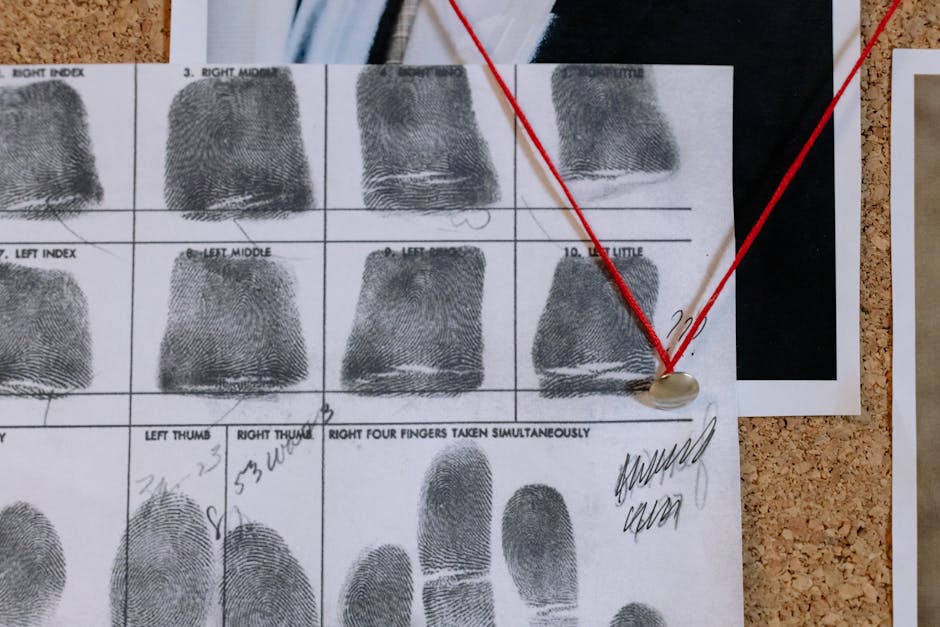
Recent Forensic Investigation Breakthroughs Transforming Criminal Justice
Introduction to Advances in Forensic Investigation
Forensic investigation has seen remarkable progress in recent years, enabling law enforcement agencies to solve crimes more efficiently and accurately. These breakthroughs include innovations like advanced forensic techniques and the integration of digital evidence analysis.
Breakthrough 1: DNA Analysis and Genetic Fingerprinting
One of the most significant advancements is in DNA analysis. Modern techniques now allow investigators to identify suspects with a high degree of certainty, even from minute biological samples. This has helped solve cold cases and exonerate wrongfully convicted individuals.
Breakthrough 2: Digital Forensics and Cybercrime Investigation
With the rise of cybercrime, digital forensics has become vital. Breaking new ground in digital evidence analysis, investigators can recover deleted files, trace online activities, and uncover hidden data, significantly enhancing cybercrime investigations.
Breakthrough 3: Facial Recognition and Biometric Technologies
Facial recognition and biometric scans are increasingly used in criminal investigations to quickly identify persons of interest. These technologies optimize the process of suspect identification and improve the accuracy of surveillance systems.
Future of Forensic Investigation
As technology continues to evolve, forensic investigation is poised to become even more sophisticated. The integration of artificial intelligence and machine learning models promises to further enhance crime detection and prevention capabilities.
Staying informed about these breakthroughs is essential for professionals in the field and anyone interested in the progress of forensic science.