
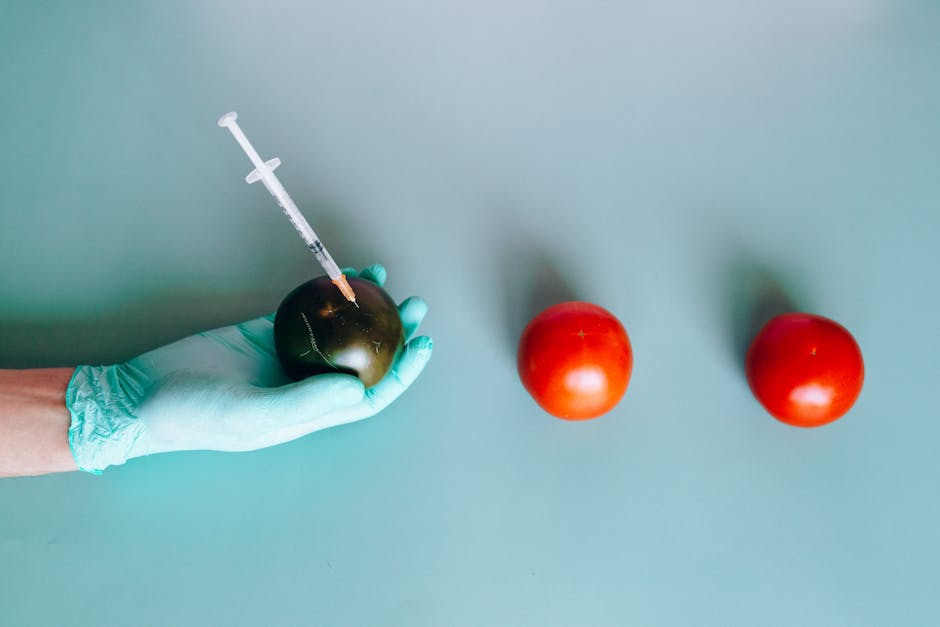
From Microbes to Meals: Unleashing the Power of Synthetic Biology
Introduction
Synthetic biology is revolutionizing the way we produce food, offering sustainable and innovative solutions to meet global nutritional demands. By manipulating microbes and designing new biological systems, scientists are bridging the gap between microbes and the food industry.
Harnessing Microbes for Food Production
Microorganisms such as bacteria and yeast can be engineered to produce essential nutrients, flavors, and even complex proteins. These engineered microbes serve as tiny factories that convert raw materials into valuable food ingredients efficiently and sustainably.
Creating Customized Meals
With advancements in synthetic biology, personalized nutrition is becoming achievable. Researchers are designing microbes that synthesize specific vitamins or supplements tailored to individual dietary needs, paving the way for customized meals.
Future Prospects
The potential of synthetic biology extends beyond just improving food sustainability. It promises novel flavors, alternative proteins, and even lab-grown meat, reducing reliance on traditional livestock farming. The integration of these technologies will play a crucial role in shaping a sustainable food future.
Conclusion
From microbes to meals, synthetic biology is unlocking new horizons in food technology. By leveraging the power of these tiny biological systems, we can address global challenges related to food security and environmental impact, ensuring a healthier planet and population.