
From Foams to Edible Art: Exploring Molecular Gastronomy's Creative Side
Introduction to Molecular Gastronomy
Molecular gastronomy is an exciting branch of culinary science that redefines traditional cooking by experimenting with textures, flavors, and presentation. This innovative approach combines science and art to create unique dining experiences.
Innovative Techniques in Molecular Gastronomy
Some of the most popular techniques include creating foams and spherification, which involves turning liquids into gel-like spheres that burst in your mouth. These techniques allow chefs to craft visually stunning and texturally exciting dishes.
Edible Art and Presentation
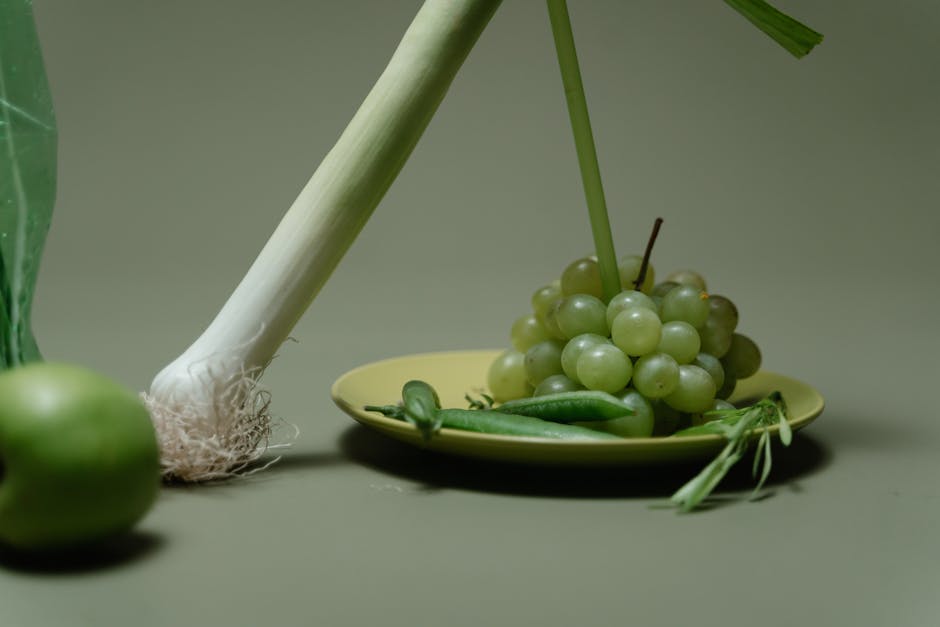
One of the highlights of molecular gastronomy is the ability to turn simple ingredients into edible sculptures and intricate plating designs. This elevates the dining experience beyond taste, engaging sight and touch.
Science Behind the Creativity
Using principles from chemistry and physics, chefs manipulate ingredients at a molecular level. Understanding concepts like emulsions and gelation allows for precise control over textures and flavors.
Future of Molecular Gastronomy
As the field continues to evolve, we can expect more innovative fusion dishes and culinary techniques that push the boundaries of creativity and taste. It’s an inspiring time for both chefs and food enthusiasts.