
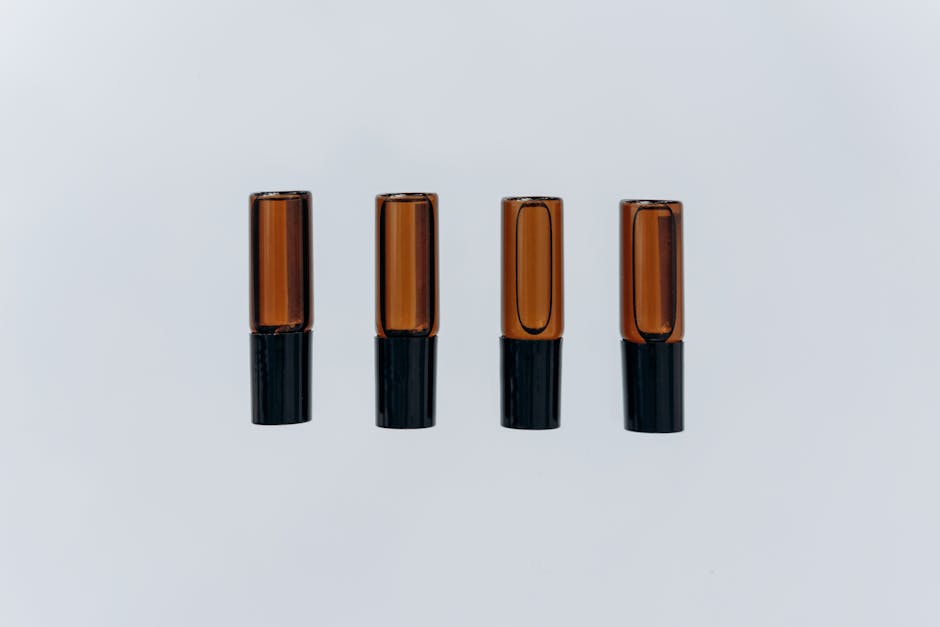
From Nature to Laboratory: The Future of Scent Creation
When it comes to creating scents, the future is bright with possibilities. Gone are the days of solely relying on natural sources for fragrances. With advancements in scent creation technology, the fragrance industry is slowly transitioning from nature to the laboratory.
In the past, perfumers heavily relied on ingredients derived from plants, flowers, and animals to create unique scents. However, overharvesting, limited availability, and ethical concerns surrounding animal-derived ingredients have led to a search for alternative methods of fragrance production.
One such method is synthetic scent creation, which involves using chemical compounds in a laboratory setting to replicate naturally occurring fragrances. This process allows perfumers to have more control over the scent characteristics and create fragrances that may not be feasible or sustainable using natural sources alone.
The use of synthetic fragrances also addresses the issue of limited availability. For example, certain rare flowers bloom for only a short period or in specific regions, making it difficult to sustain a consistent supply of their essence. By recreating these scents synthetically, perfumers can ensure that these fragrances are available year-round, regardless of geographical limitations.
Moreover, laboratory-made fragrances provide opportunities for exploration and innovation. Perfumers can experiment with new scent combinations, advancements in aroma chemicals, and create unique olfactory experiences that might not be found in nature. This opens up a world of creativity and endless possibilities in scent creation.
Despite the shift towards laboratory-made fragrances, natural ingredients still hold their charm and appeal. Many perfumers continue to incorporate them into their creations, either in conjunction with synthetic alternatives or to enhance the overall scent profile. Natural ingredients bring a certain authenticity and complexity to fragrances that cannot be replicated entirely in a lab.
In conclusion, the future of scent creation lies in striking a balance between nature and the laboratory. Advancements in scent creation technology have given perfumers the tools to explore new frontiers, while natural sources continue to provide inspiration and authenticity. Whether it's a laboratory-made fragrance or one crafted using natural ingredients, scents will continue to captivate our senses and evoke emotions.
Biotechnology-and-perfumes:-Unlocking-the-secrets-of-smell-
Molecular-gastronomy-meets-perfumery:-A-match-made-in-sensory-heaven-
The-rise-of-AI-driven-perfumes:-Smell-the-future-of-fragrance-
Scent-marketing:-How-businesses-are-using-smells-to-seduce-customers- Tangent-keywords:
Virtual-reality-and-smell:-Stepping-into-a-new-dimension-of-fragrance-
From-scented-clothes-to-taste-buds:-The-unexpected-crossover-of-sensory-experiences-