
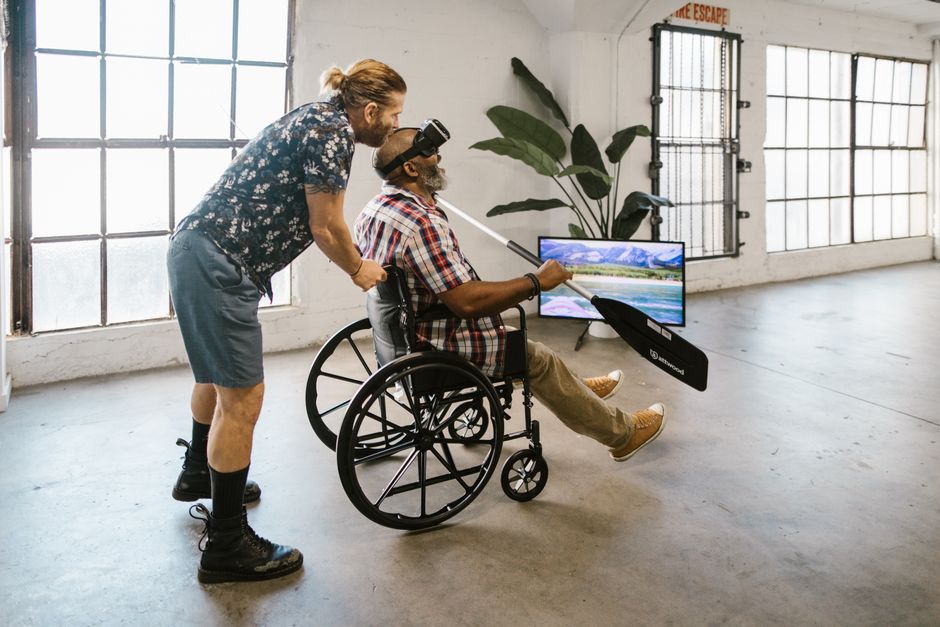
Future Tech Transforming Accessible Public Facilities
Introduction to Future Innovations in Public Accessibility
As urban areas grow and technology advances, future technologies are playing a pivotal role in making public facilities more accessible for everyone. These innovations aim to bridge the gap between infrastructure and inclusivity, ensuring that all individuals, regardless of mobility or sensory challenges, can navigate public spaces with ease.
Smart Accessibility Devices
One of the most promising developments is the deployment of smart devices that assist visually or physically impaired users. From sensor-based navigation aids to voice-activated information kiosks, these tools are designed to enhance independence and safety.
Integration of IoT in Public Spaces
The Internet of Things (IoT) facilitates real-time monitoring and management of facilities, allowing for dynamic adjustments such as adjusting lighting, providing accessible routes, or notifying users about facilities' statuses. IoT integration helps create responsive environments that cater to diverse needs.
Inclusive Design and Construction Technologies
Advances in inclusive design technologies ensure that new public spaces are built with accessibility in mind. This includes the use of modular and adaptable infrastructure that can be customized for different users.
Future Outlook
The ongoing evolution of future technology in public facilities promises a more inclusive society where mobility, communication, and access are seamlessly integrated. As these technologies become more prevalent, accessibility will no longer be an afterthought but a foundational element of public space planning.