
The Future of Quantum Computing for Astronomy
Introduction
The field of quantum computing for astronomy is rapidly evolving, promising to transform the way scientists explore the cosmos. With its immense processing power, quantum technology offers new possibilities for analyzing complex astronomical data and simulating celestial phenomena that are difficult to study using classical computers.
The Role of Quantum Computing in Astronomical Research
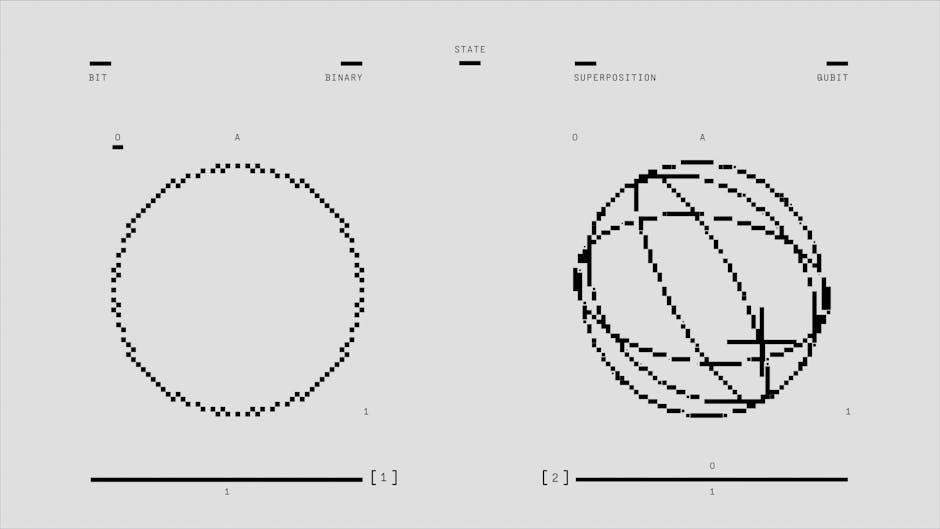
Traditional classical computing has been instrumental in making significant discoveries in astronomy. However, as data volume and complexity grow, quantum computing provides a pathway to handle these challenges more efficiently. By leveraging principles like superposition and entanglement, quantum algorithms can perform complex calculations at unprecedented speeds.
Potential Applications
- Data Analysis: Quantum algorithms can process large sets of astronomical data faster, leading to quicker identification of exoplanets, black holes, and other celestial objects.
- Simulating Cosmic Phenomena: Quantum simulations can model complex systems such as galaxy formations or the behavior of dark matter, which are computationally intensive for classical computers.
- Optimization Problems: Quantum techniques can optimize observational strategies and telescope configurations for more effective data collection.
Challenges and Future Outlook
Despite its promising potential, challenges in quantum computing such as qubit stability and error correction still need to be addressed. Researchers are actively working on developing robust quantum hardware and algorithms tailored for astronomical applications. The future of quantum technology for astronomy looks bright, with ongoing collaborations between physicists, astronomers, and computer scientists driving innovation.
Conclusion
The integration of quantum computing into astronomy heralds a new era of discovery. As the technology matures, we can expect more groundbreaking insights into the universe, unraveling mysteries that have long eluded scientists. Stay tuned to witness how the future of quantum computing continues to shape our understanding of the cosmos.