
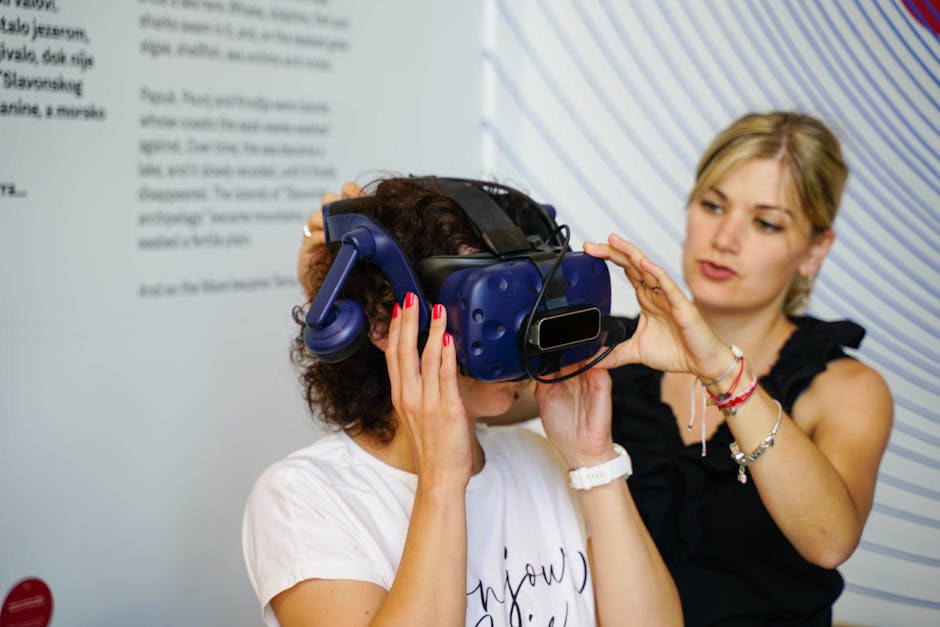
The Future of Virtual Reality in Schools
Introduction to Virtual Reality in Schools
Virtual reality (VR) is rapidly changing the landscape of education by providing immersive learning experiences. It allows students to explore environments and concepts that were previously inaccessible through traditional methods. As technology advances, the integration of virtual reality in schools is expected to deepen, offering new opportunities for engagement and understanding.
Benefits of Virtual Reality in Education
The adoption of virtual reality for education brings numerous benefits, including increased student motivation, improved retention of information, and the ability to simulate real-world scenarios. For example, students can take virtual field trips to historical sites or conduct scientific experiments in a controlled virtual environment.
Challenges and Considerations
While the potential of VR in schools is substantial, there are challenges to overcome. These include high costs, the need for proper infrastructure, and ensuring equitable access for all students. Educators must also be trained to utilize VR effectively in their teaching strategies.
The Future of VR in Educational Settings
The future of virtual reality in schools looks promising. As hardware becomes more affordable and content more diverse, VR is likely to become a staple in classrooms worldwide. It can facilitate personalized learning, cater to various learning styles, and foster collaboration among students from different locations.
Conclusion
Virtual reality is poised to revolutionize education by making learning more interactive and immersive. Embracing this technology can help prepare students for a future where digital fluency is essential. As educators and policymakers collaborate, VR has the potential to unlock new levels of achievement and engagement in schools.