
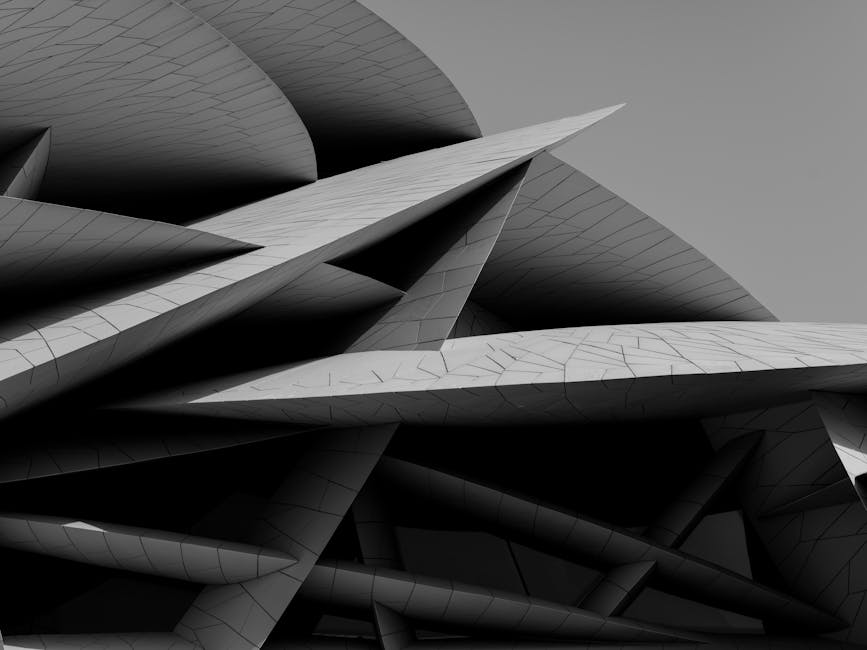
Futuristic Poetic Forms - Exploring the Boundaries of Creative Expression
Poetry, the eternal art of expressing emotions and ideas through language, has always evolved over time. From ancient epics to sonnets, each era has spawned its own poetic forms, reflecting the spirit of its age. Today, we will embark upon a journey through the realm of futuristic poetic forms, where creativity knows no bounds and imagination takes flight.
Futuristic poetic forms push the boundaries of traditional verse, exploring new ways to convey emotions and ideas. These forms often incorporate elements of technology, science fiction, and speculative futures, allowing poets to navigate uncharted territories of the mind.
One such form is the futuristic sonnet, a fusion of traditional sonnets with futuristic themes. It weaves together the poetic structure of 14 lines and specific rhyme scheme with futuristic imagery and concepts, creating a captivating blend of the old and the new.
An intriguing example of a futuristic poetic form is the cybernetic haiku. Inspired by the traditional Japanese haiku, these poems embrace futuristic elements, reflecting a world infused with technology and AI. In just three lines, poets convey profound emotions, painting vivid vignettes of a world shaped by the wonders of tomorrow.
Another form, the nano poem, celebrates brevity in the digital age. These poems are limited to a set number of characters, channeling the essence of microblogging platforms and social media. Through concise and thought-provoking lines, poets crystallize their ideas, expressing them in bite-sized morsels for the digital generation.
Futuristic poetic forms offer a canvas for poets to explore unbounded creativity. They pave the way for innovative expressions, redefining what is possible within the realm of verse. As technology continues to evolve, merging with our daily lives, the possibilities of futuristic poetic forms expand exponentially.