
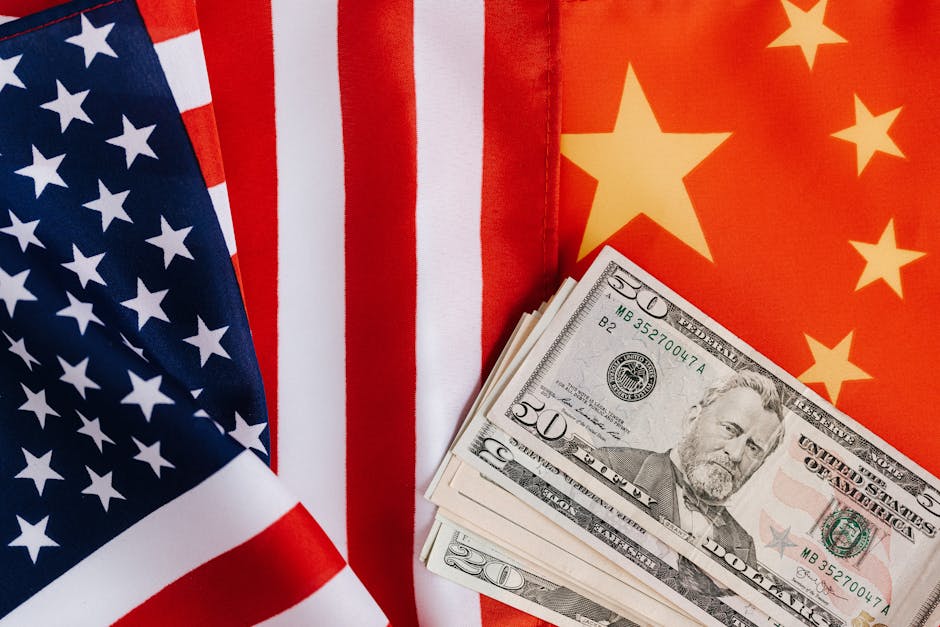
Global Trade Disruption Solutions: Navigating Challenges in International Commerce
Understanding Global Trade Disruptions
In today’s interconnected world, global trade disruptions can significantly impact supply chains and international commerce. Events like geopolitical tensions, pandemics, and economic sanctions have increased the frequency and severity of such disruptions.
Common Causes of Trade Disruption
- Geopolitical Conflicts: Political instability and conflicts can hinder the movement of goods across borders.
- Pandemics and Health Crises: COVID-19 showcased how health emergencies can halt production and shipping.
- Trade Policy Changes: Tariffs and sanctions can alter market dynamics unexpectedly.
- Supply Chain Issues: Disruptions in raw materials and transportation bottlenecks affect delivery times.
Strategies for supply chain resilience
Developing robust strategies such as diversifying suppliers, increasing inventory buffers, and adopting digital supply chain management tools can help mitigate risks. Implementing trade policy navigation is also essential for staying compliant and agile amid changing regulations.
Leveraging Technology
Technology solutions, including blockchain for transparency and AI for demand forecasting, can provide real-time insights and enhance decision-making processes during disruptions.
Expert Assistance and Resources
For businesses seeking tailored solutions, consulting with trade disruption consulting services can be invaluable. Staying informed through industry reports and government advisories also supports proactive measures.
Conclusion
Addressing global trade disruption solutions involves a comprehensive approach combining strategic planning, technological adoption, and expert guidance. Preparing for uncertainties ensures business continuity in an unpredictable global environment.