
Understanding Globalization: Benefits, Challenges, and Future Trends
What is Globalization?
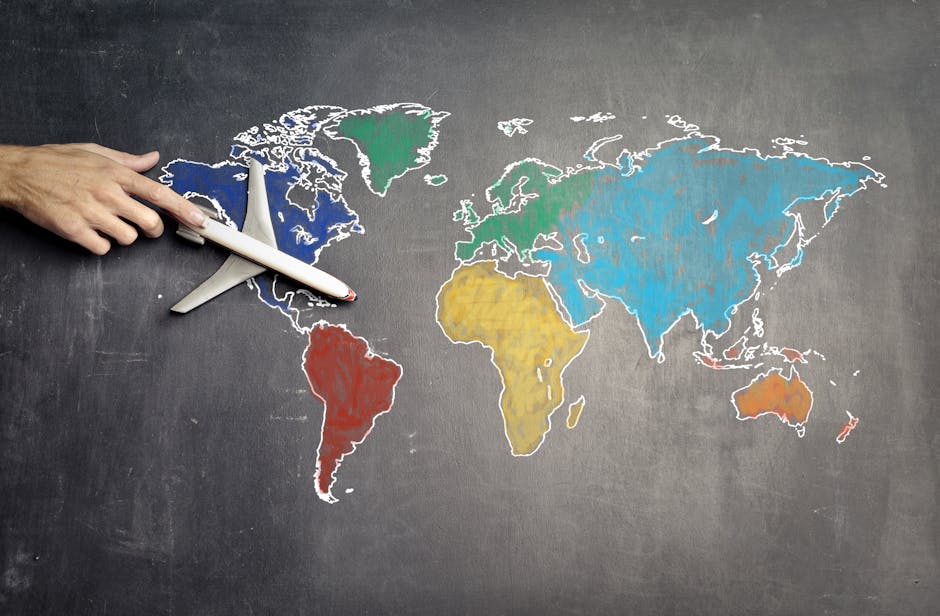
Globalization refers to the process of increased interconnectedness and interdependence among countries through the exchange of goods, services, information, and culture. It has transformed the way nations operate and interact, fostering a more integrated world economy.
Benefits of Globalization
One of the primary advantages of globalization is economic growth. Countries can access larger markets, leading to increased exports and job creation. Additionally, globalization facilitates cultural exchange, promoting greater understanding and appreciation of diverse traditions and practices.
Challenges Associated with Globalization
Despite its benefits, globalization also presents several challenges. It can lead to economic disparities, cultural homogenization, and environmental concerns. Some regions may struggle to compete in a global market, resulting in inequality and social tension.
The Future of Globalization
Looking ahead, globalization is likely to continue evolving with technological advancements such as artificial intelligence and blockchain technology. However, ongoing debates about regulation, sovereignty, and fair trade will shape its trajectory. Embracing sustainable and inclusive globalization will be key to ensuring balanced growth.
For more insights on [international trade](https://example.com/international-trade) and economic development, visit our comprehensive guides on [world economies](https://example.com/world-economies).