
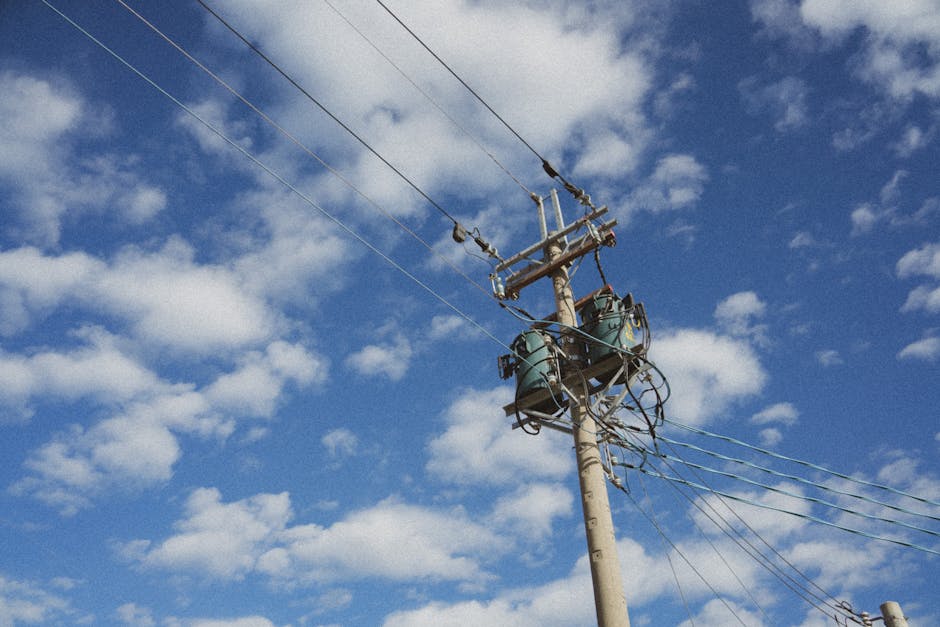
Grid Integration: Unlocking the Potential of Renewable Energy
Understanding Grid Integration
Grid integration refers to the process of connecting and coordinating various sources of electricity, especially renewable energy sources such as solar and wind, into the existing power grid. Effective grid integration is vital for ensuring a consistent and reliable electricity supply as we transition toward cleaner energy solutions.
The Importance of Grid Integration
As the share of renewable energy in the energy mix increases, grid integration becomes increasingly important. It allows for the efficient distribution of generated power, minimizes energy wastage, and supports the stability of the power grid. Without proper integration, renewable sources can cause fluctuations and instability, impacting both consumers and utilities.
Challenges in Grid Integration
- Intermittency of renewable sources like solar and wind
- Need for upgraded infrastructure to handle variability
- Grid flexibility and storage solutions
- Regulatory and policy barriers
Innovative Solutions for Effective Grid Integration
To address these challenges, various innovative strategies are being implemented, including energy storage solutions, smart grid technologies, and load management systems. These advancements enable better forecasting, real-time monitoring, and dynamic response to supply and demand changes, ensuring a balanced and resilient grid.
Future Outlook
The future of renewable energy integration hinges on continued technological innovations, supportive policies, and investment in infrastructure. As these components improve, we move closer to a sustainable and reliable energy system that can meet global demands sustainably.
Learn More About Energy Systems
If you're interested in understanding how renewable energy sources are integrated into modern power grids, check out our articles on smart grid technologies and energy storage solutions.