
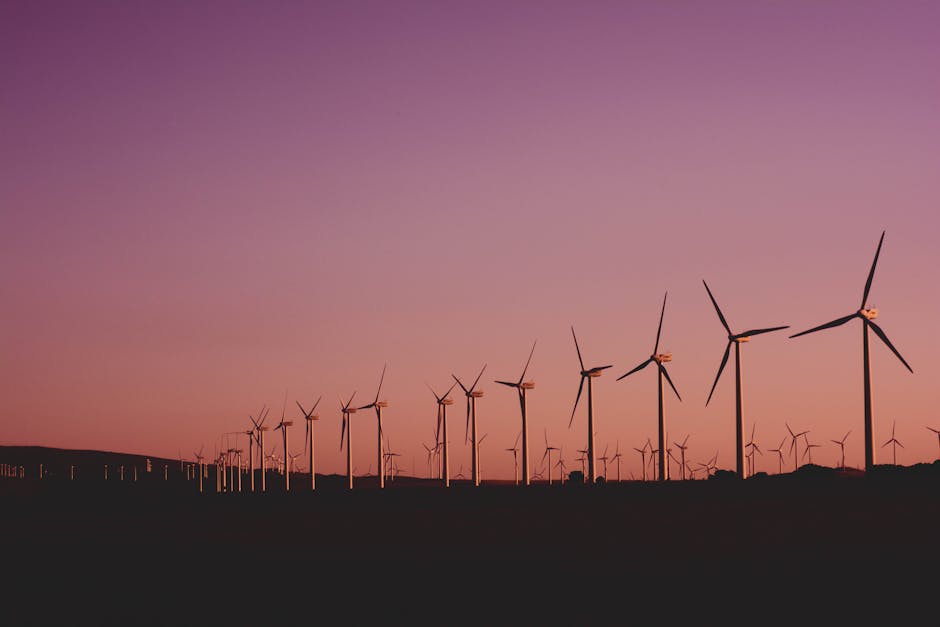
Harnessing the Wind: How Wind Turbines Are Shaping the Renewable Energy Landscape
Introduction to Wind Energy
Wind energy has become a cornerstone of the shift towards sustainable power sources. By converting the kinetic energy of wind into electrical energy, wind turbines offer a clean and renewable alternative to fossil fuels.
How Wind Turbines Work
Modern wind turbines operate by utilizing blades that are spun by the wind, turning a rotor connected to a generator. This process transforms wind movement into usable electricity, contributing significantly to the global energy mix.
The Benefits of Wind Energy
- Environmental Sustainability: Wind power produces no greenhouse gas emissions.
- Cost-Effectiveness: As technology advances, the cost of installing and maintaining wind turbines decreases.
- Energy Independence: Wind energy reduces dependency on imported fossil fuels.
Challenges and Future Outlook
While wind energy offers numerous advantages, challenges such as site selection and intermittency remain. However, ongoing research and technological innovations are poised to overcome these issues, further integrating wind power into our energy infrastructure. For more insights, visit our future outlook on wind energy.