
Harnessing the Hidden Potential of Nonverbal Communication
Nonverbal communication, also known as body language, plays a crucial role in our daily interactions. While words convey explicit messages, our gestures, facial expressions, and posture communicate subtle cues that often go unnoticed. Harnessing the hidden potential of nonverbal communication can greatly enhance our personal and professional relationships.
Understanding nonverbal cues can help us better connect with others, build rapport, and convey sincerity. By being aware of these signals, we can develop a heightened sense of empathy and respond effectively in various social situations. Whether you're interviewing for a job, giving a presentation, or engaging in a casual conversation, nonverbal communication can influence how others perceive you.
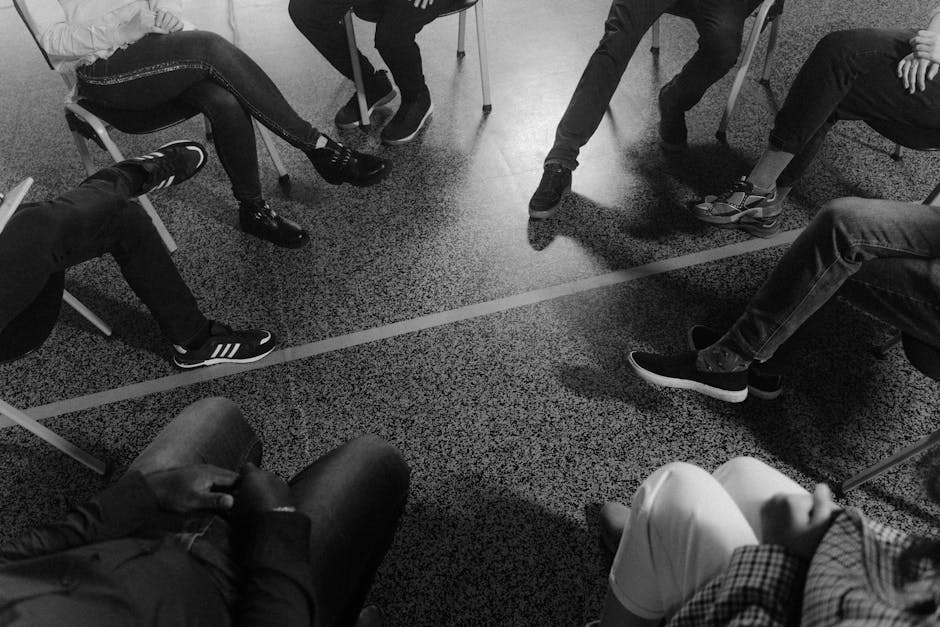
One aspect of nonverbal communication to pay attention to is body language. The way we position our bodies, the movements we make, and our overall physical presence can communicate volumes. For example, maintaining eye contact shows attentiveness and interest, while crossed arms may indicate defensiveness or closed-mindedness.
Facial expressions are another essential component of nonverbal communication. A smile can instantly make us appear approachable and friendly, while a furrowed brow might suggest confusion or concern. Being attuned to these subtle facial cues can enhance our understanding of others and prevent miscommunication.
Posture and gestures are nonverbal signals that provide insights into our level of confidence, engagement, and emotional state. Standing tall with an open stance exudes confidence and assertiveness, while fidgeting or slouching can convey insecurity or nervousness. By consciously adjusting our posture and gestures, we can project a more positive and confident image.
In order to harness the hidden potential of nonverbal communication, it's important to be mindful of these cues both in ourselves and in others. Developing self-awareness of our own nonverbal signals allows us to make adjustments and align our body language with our intended message. Additionally, actively observing and interpreting nonverbal cues in others enables us to better understand their thoughts and feelings.
Building strong nonverbal communication skills takes practice. Start by actively observing the nonverbal cues of those around you and experimenting with different gestures, postures, and facial expressions to gauge their impact. Seek feedback from trusted friends or mentors to further refine your nonverbal communication abilities.
In conclusion, nonverbal communication is a powerful tool that can significantly impact our interactions and relationships. By harnessing its hidden potential, we can become more effective communicators and better connect with others. Remember to be mindful of your own nonverbal cues and continuously work towards improving your nonverbal communication skills. The results will be well worth the effort.
The-power-of-facial-expressions:-unlock-your-true-potential
Master-the-art-of-nonverbal-persuasion-and-influence
Discover-the-hidden-signals-of-nonverbal-cues
Tap-into-the-silent-language:-secrets-of-decoding-nonverbal-communication Keywords-on-a-tangent:
Boost-your-memory-and-cognitive-skills-effortlessly
unconventional-ways-to-read-minds-like-a-pro-