
Effective Health Outreach Programs to Improve Community Wellbeing
Understanding Health Outreach Programs
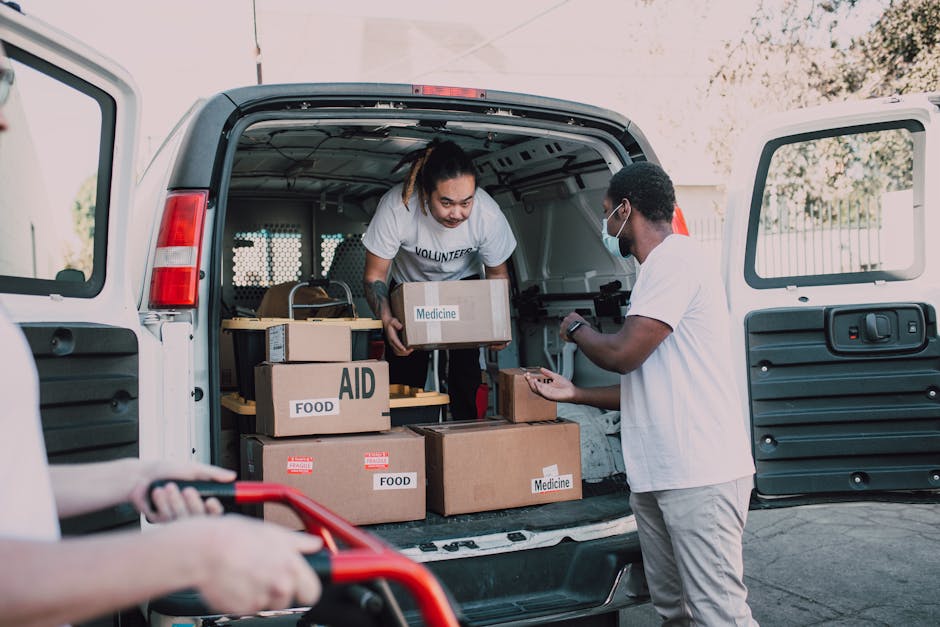
Health outreach programs are vital initiatives designed to provide essential health services to underserved communities. These programs aim to bridge gaps in healthcare access and promote healthier lifestyles across diverse populations.
Key Components of Successful Health Outreach
- Community Engagement: Collaborating with local organizations and leaders to understand community needs.
- Accessible Services: Offering free or low-cost health screenings, vaccinations, and educational workshops.
- Effective Communication: Utilizing culturally sensitive messaging to reach diverse groups.
- Partnerships: Working with healthcare providers, non-profits, and government agencies to maximize resources.
Strategies to Enhance Outreach Impact
Implementing innovative strategies such as mobile clinics, digital health platforms, and community health workers can significantly increase the reach and effectiveness of health outreach programs. These approaches help in overcoming barriers like transportation and language differences.
Furthermore, measuring the outcomes and collecting community feedback ensures continuous improvement and sustainability of the initiatives.
Examples of Successful Health Outreach Projects
Many organizations have successfully implemented health outreach projects, leading to better health outcomes. For instance, mobile vaccination units have increased immunization rates in rural areas. Additionally, community health workshops have raised awareness about chronic disease prevention.
Getting Involved: How You Can Support
If you're interested in supporting health outreach programs, consider volunteering, donating, or advocating for policies that promote community health. Every contribution helps in creating healthier communities and reducing health disparities.
Learn more about the benefits and challenges of health outreach to better understand how these initiatives make a difference.