
Understanding the Hidden Costs of Melting Glaciers
The Hidden Costs of Melting Glaciers
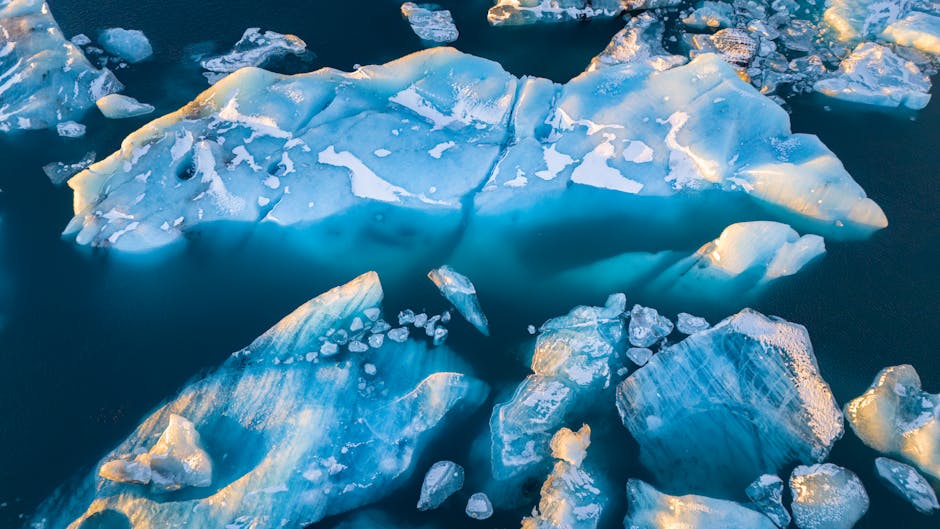
Glaciers have long been regarded as the Earth's cooling agents and vital freshwater reservoirs. However, as global temperatures continue to rise, the melting of glaciers brings about more than just visible ice loss. Many of these consequences are less obvious but equally impactful.
Environmental and Ecological Disruptions
The melting glaciers threaten unique habitats, endangering species that rely on cold environments. Streams fed by glacial meltwater are crucial for maintaining downstream ecosystems, but as glaciers shrink, these water sources diminish, causing ecological imbalances.
Sea Level Rise and Coastal Impact
One of the most apparent effects of glacier melting is sea level rise. However, the extent of this change entails significant coastal risks, including increased flooding and erosion. This phenomenon affects millions of people living in coastal regions worldwide.
Economic and Human Costs
The loss of freshwater from melting glaciers impacts agriculture, drinking water supplies, and hydropower generation. Additionally, communities dependent on glacial runoff face economic hardships, migration, and displacement.
Global Climate Feedback Loops
Melting glaciers contribute to a feedback loop of climate change, as exposed ice and darker land surfaces absorb more heat, accelerating global warming. Understanding these feedback mechanisms is essential for effective climate action.
Addressing the hidden costs of glacier melting requires global cooperation, sustainable policies, and increased awareness. Protecting our planet means recognizing not just the obvious impacts but also the subtle, yet profound, consequences of our changing climate.