
Hidden Psychological Effects of Certain Scents on Your Mood
Introduction
Scent plays a powerful role in shaping our emotions and mental state. While many people use fragrances for personal grooming or ambiance, few realize the profound psychological effects of certain scents on mood and behavior.
The Science Behind Scents and Mood
Our olfactory system is directly linked to the limbic system in the brain, which is responsible for emotions and memory. This connection explains why scents can evoke strong emotional responses. For example, the aroma of aromatherapy is often used to reduce anxiety and improve relaxation.
Common Scents and Their Hidden Effects
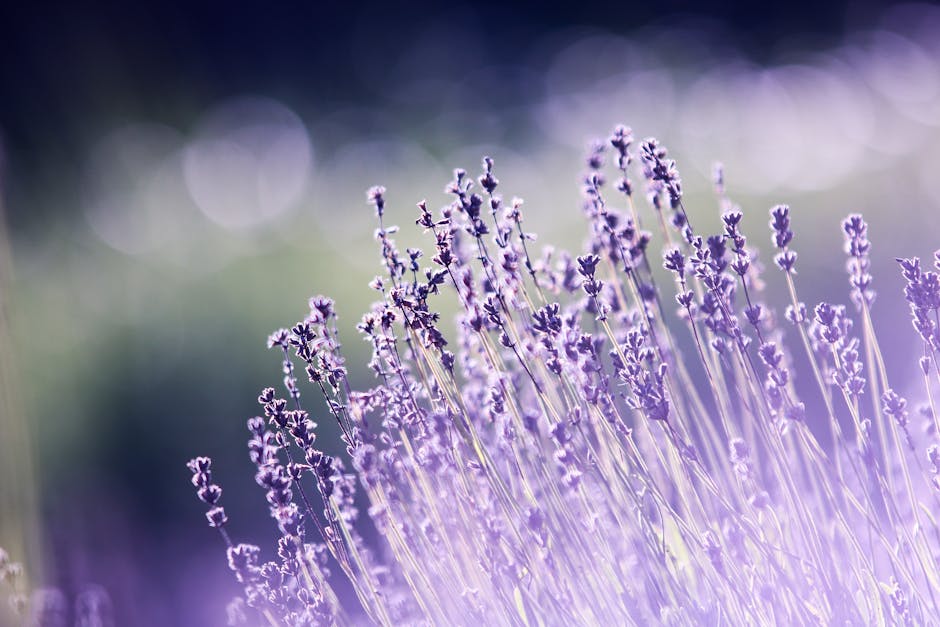
- Lavender: Known for its calming properties, lavender can help reduce stress and improve sleep quality. Its soothing effects are often utilized in relaxation techniques.
- Citrus: Scents like orange or lemon can boost mood and increase alertness. They are commonly used to fight fatigue and promote a sense of happiness.
- Vanilla: This warm and sweet scent often induces feelings of comfort and nostalgia, helping to decrease feelings of depression.
- Peppermint: Known for increasing focus and mental clarity, peppermint scents are popular in workplaces to stimulate alertness.
How to Use Scents to Enhance Your Mood
Incorporating these fragrances into your daily routine can be simple and effective. Use essential oils in a diffuser, add scented candles to your space, or include aromatic products like sprays or bath salts. Be mindful of individual preferences, as scents can have different effects on different people.
Conclusion
Understanding the hidden psychological effects of certain scents can help you harness their benefits for a better mood. Whether for relaxation, focus, or emotional comfort, the right scent can be a natural and powerful ally in promoting mental well-being.