
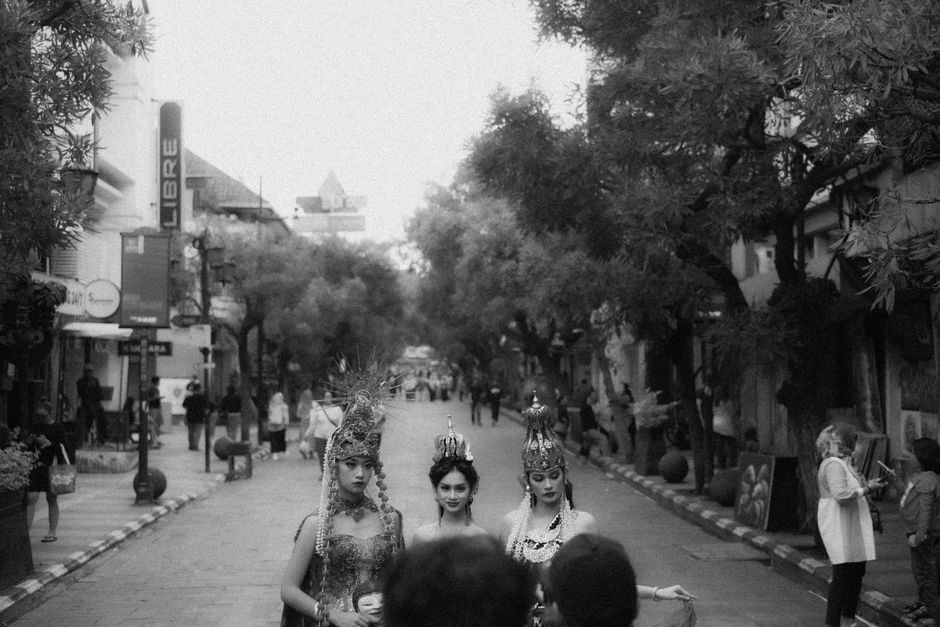
Hidden History of Traditional Dances Worldwide
Traditional dances serve as a vibrant expression of cultural identity, history, and community spirit across the world. However, many of these dances hold hidden histories that are often overlooked or forgotten over time.
Across continents, dances like the aboriginal dances of Australia, the African ritual dances, and the European folk dances each carry unique stories that reveal insights into the lives, beliefs, and struggles of their communities.
Uncovering Cultural Significance
Many traditional dances originated centuries ago and were often intertwined with ceremonies, religious rituals, or social gatherings. For example, the Native American dances played crucial roles in spiritual ceremonies and storytelling traditions, preserving their cultural heritage amidst colonization and modernization.
Preserving the Authenticity
Today, some of these dances are performed mainly for tourism or cultural festivals, which can sometimes dilute their original meanings. It is vital to understand and preserve the authentic origins and cultural significance of these dances to honor their creators and keep their stories alive.
The Impact of Modernization
Globalization and modern influences have transformed many traditional dances. Despite this, many communities work tirelessly to keep traditional dances alive through education, preservation projects, and cultural exchanges.
Exploring the important traditional dances from various parts of the world opens a window into the richness of human cultural diversity, encouraging greater appreciation and respect for indigenous heritages.