
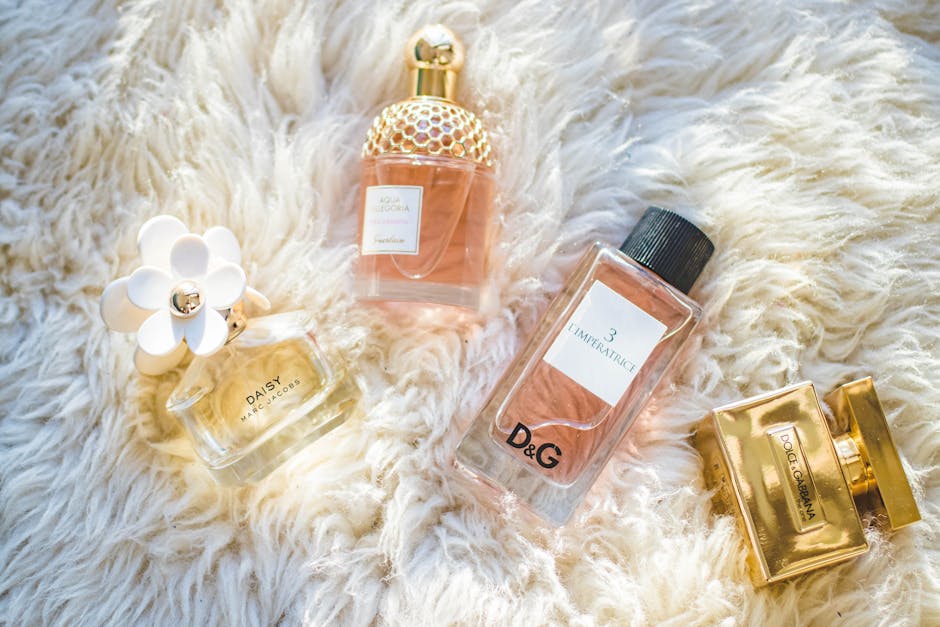
Exploring Historical Scents and Fragrances
Scents and fragrances have played a significant role in human history, evoking emotions, preserving memories, and symbolizing cultural ideals. Exploring the world of historical scents can transport us to different eras, offering glimpses into the past through our olfactory senses.
Throughout ancient civilizations, fragrances held immense importance. Egyptians used aromatic oils and resins for religious rituals and embalming the deceased. Frankincense, myrrh, and other precious scents were highly valued commodities traded along ancient trade routes.
In the medieval period, perfumes were considered a luxury, often reserved for the elite. They were used to mask unpleasant odors in an era where bathing was infrequent. Scented gloves, pomanders, and perfumed oils were popular items.
The Renaissance era witnessed significant advancements in perfumery. The Italian city of Florence became a hub for perfume production, introducing innovative techniques and unique ingredient combinations. Catherine de' Medici popularized the use of fragrance in France, leading to the establishment of the first-ever perfume houses.
By the 18th and 19th centuries, fragrances became more accessible as industrialization enabled mass production. Perfume manufacturers like Guerlain and Chanel emerged, blending traditional ingredients with synthetic compounds. These centuries also saw the rise of Eau de Cologne, a light and refreshing scent popularized by Napoleon Bonaparte.
Exploring historical scents allows us to delve into the rich tapestry of the past. From ancient wonders to the luxurious perfumes of bygone eras, each scent tells a story and carries a piece of history.