
How Renewable Energy Is Transforming Urban Landscapes
Urban areas worldwide are experiencing a significant transformation thanks to advancements in renewable energy technologies. Cities are adopting innovative solutions such as solar panels on rooftops, wind turbines integrated into skylines, and green infrastructure that reduce carbon emissions and promote sustainability.
The Rise of Solar Power in Cities
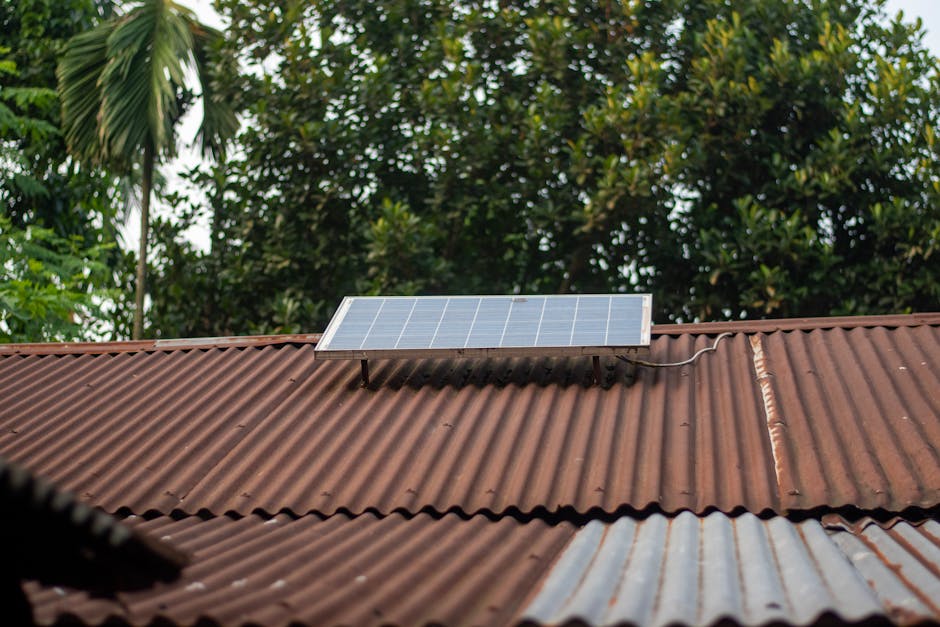
One of the most visible trends is the proliferation of solar power systems on commercial and residential buildings. These installations not only generate clean energy but also contribute to the aesthetic appeal of cityscapes. Urban solar initiatives help reduce dependence on fossil fuels and lower energy costs for residents.
Wind Energy and Urban Integration
Wind turbines are traditionally associated with rural areas, but now they are increasingly being incorporated into urban settings. Small-scale urban wind turbines are being installed on rooftops and open spaces, providing a supplementary energy source while blending into the city environment.
Green Infrastructure and Sustainable Design
Beyond energy production, green infrastructure plays a crucial role in transforming cities. Green roofs, urban parks, and permeable pavements help manage stormwater, reduce the heat island effect, and improve air quality, making cities healthier and more livable.
The Future of Urban Sustainability
Looking ahead, the integration of renewable energy sources will become even more essential in urban planning. Smart city initiatives that leverage data and technology will optimize energy use, improve efficiency, and further reduce environmental impacts. Embracing these changes is key to creating resilient, sustainable urban landscapes for future generations.