
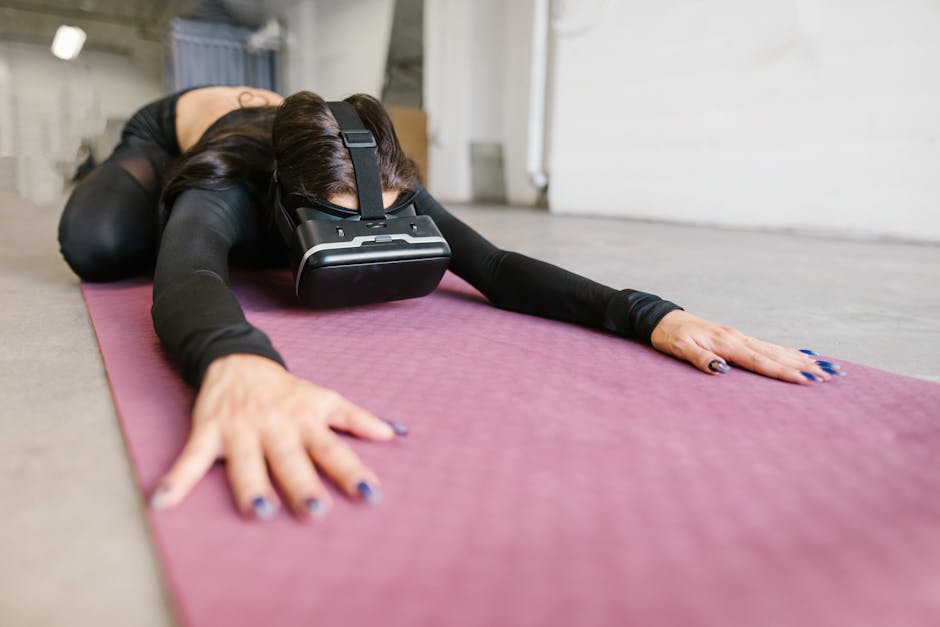
How Virtual Reality Could Revolutionize Mindfulness Training
In recent years, virtual reality (VR) technology has advanced rapidly, opening new possibilities across various fields. One of the most promising applications is in mindfulness training, where VR offers immersive environments that can significantly improve mental health and focus.
Traditional mindfulness practices often require quiet, undisturbed settings, which can be difficult to access consistently. VR breaks down these barriers by creating calming, controlled environments that mimic peaceful natural scenes or serene indoor spaces. This approach makes mindfulness practice more accessible to people regardless of their location or daily schedule.
Research indicates that VR-based mindfulness training can reduce stress, improve emotional regulation, and boost overall well-being. For example, immersive experiences such as virtual nature walks or tranquil meditation rooms help users engage deeply with the practice, fostering mindfulness more effectively than traditional methods.
Furthermore, VR allows for personalized experiences tailored to individual needs, making mindfulness sessions more engaging and effective. As technology advances, we can expect to see even more innovative applications, such as guided meditations in virtual environments and biofeedback integration for real-time mental state monitoring.
Overall, virtual reality has the potential to revolutionize how we approach mindfulness practices by making them more immersive, engaging, and accessible, leading to improved mental health outcomes for many.