
How Virtual Reality Is Revolutionizing Education and Mental Agility
Introduction to Virtual Reality in Education
Virtual reality (VR) has emerged as a groundbreaking technology poised to revolutionize the way we learn. By creating immersive environments, virtual reality allows students to experience content in a way that traditional methods cannot match.
The Impact of VR on Learning Experiences
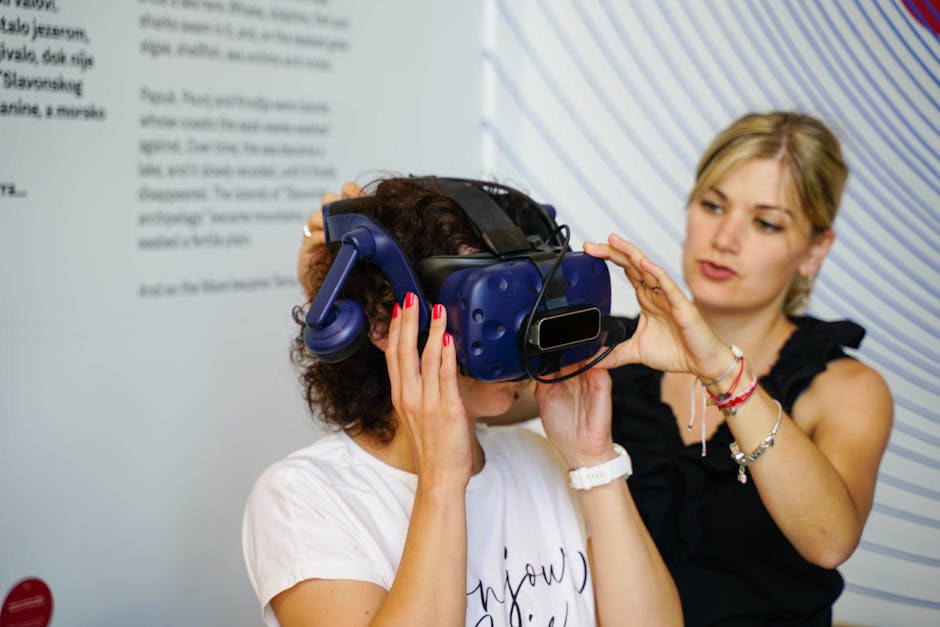
Students engaging with virtual reality headsets can explore historical sites, conduct scientific experiments, and participate in interactive lessons, all within a safe and controlled environment. This enhances engagement and retention of knowledge.
Enhancing Mental Agility through Virtual Reality
Beyond academics, virtual reality contributes to mental agility by providing cognitive challenges and exercises. Immersive games and simulations improve problem-solving skills, spatial awareness, and adaptability, which are essential in today's fast-changing world.
Future Trends in VR Education
As technology advances, we can expect more personalized and accessible VR educational platforms. Integration with artificial intelligence will make learning even more tailored to individual needs, fostering lifelong learning habits.
Conclusion
Virtual reality is not just a futuristic concept—it is actively shaping the present and future of education. By providing immersive and engaging learning experiences, VR helps develop mental agility and prepares learners for the challenges ahead.