
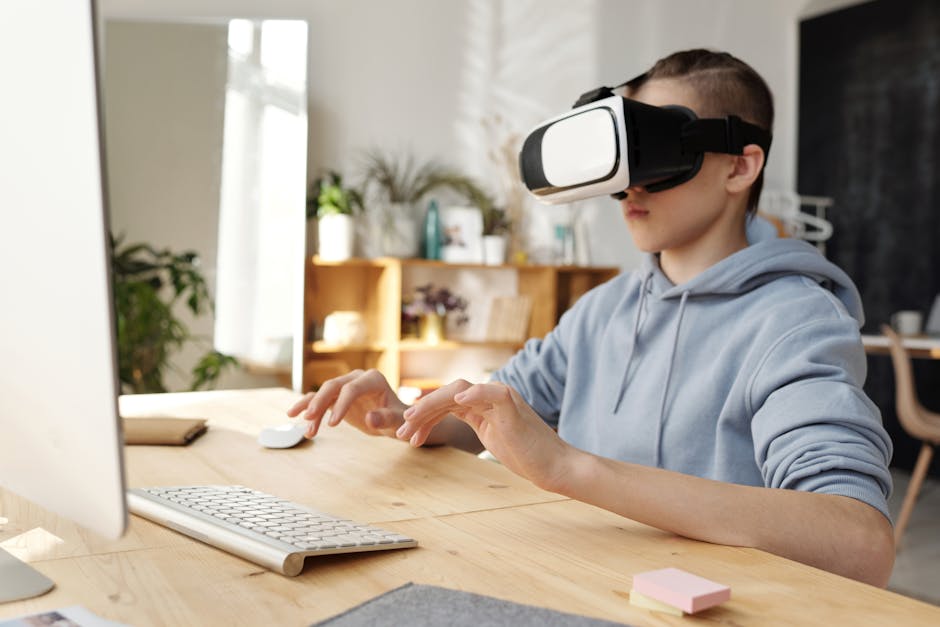
How Virtual Reality is Changing the Future of Education
Introduction to Virtual Reality in Education
Virtual reality (VR) is transforming the way students learn by offering immersive and interactive experiences. This technology enables learners to explore environments and concepts that would otherwise be inaccessible, making education more engaging and effective.
Benefits of Using Virtual Reality in Learning
Implementing virtual reality in education offers numerous advantages such as increased motivation, better retention of information, and the opportunity to simulate real-world scenarios. For example, students can take virtual field trips to historical sites or conduct virtual science experiments, reducing costs and safety risks.
Enhancing Engagement with Immersive Content
Immersive virtual content captivates students' attention and stimulates their senses, making learning more memorable. This engagement is particularly beneficial for visual and kinesthetic learners, providing hands-on experiences that foster deeper understanding.
Future Outlook of VR in Education
The future of virtual reality in education looks promising, with ongoing advancements making devices more accessible and content more sophisticated. As educators and technologists collaborate, VR will likely become an integral part of curricula worldwide, promoting personalized and global learning opportunities.
Conclusion
Virtual reality is poised to revolutionize education by creating immersive, engaging, and accessible learning environments. Embracing this technology can prepare students for the demands of the future while making learning a more exciting journey.