
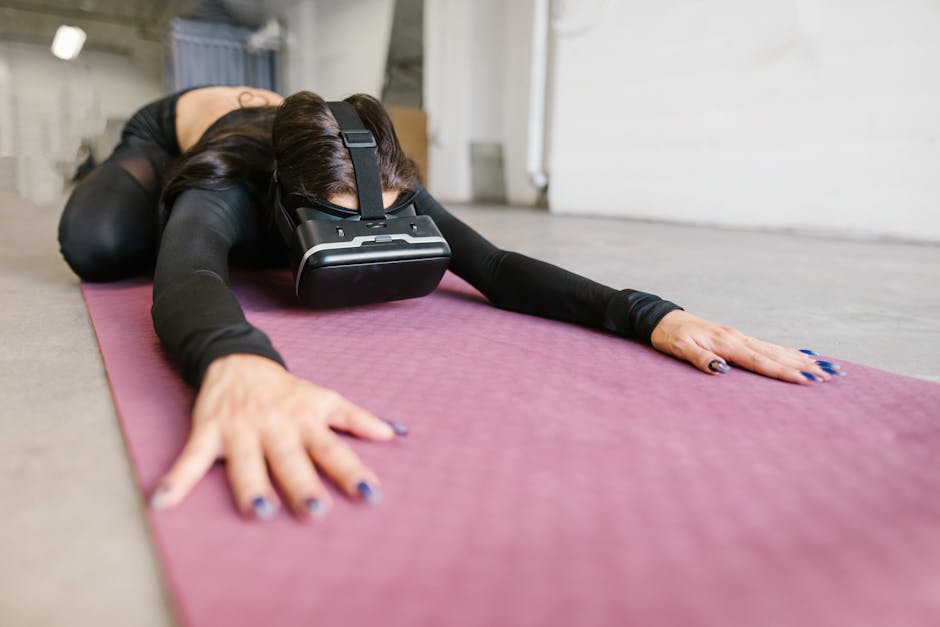
How Virtual Reality is Revolutionizing Wellness Experiences
Introduction to Virtual Reality in Wellness
Virtual reality (VR) has emerged as a groundbreaking tool in the wellness industry. By immersing users in simulated environments, VR creates opportunities for relaxation, mental health improvement, and physical fitness that were previously inaccessible.
Immersive Relaxation Techniques
One of the most popular applications of VR in wellness is relaxation. Users can experience tranquil virtual environments such as beaches, forests, or mountain landscapes, helping to reduce stress and anxiety. These immersive experiences promote mindfulness and can be used as effective tools for meditation practice in a calming setting.
Enhancing Mental Health Support
VR also facilitates mental health therapies, including exposure therapy for anxiety and post-traumatic stress disorder (therapy). Patients can confront fears in a controlled virtual environment, leading to improved coping mechanisms. Moreover, virtual support groups enable individuals to connect and share experiences from the comfort of their homes.
Innovative Fitness Experiences
Fitness routines are transformed with VR-enabled workouts. Games and interactive environments motivate users to engage in exercise routines that feel more like entertainment. From virtual cycling through scenic landscapes to rhythm-based dance classes, VR makes physical activity engaging and accessible for a broad audience.
The Future of Wellness with Virtual Reality
As technology advances, the integration of VR into wellness routines will become increasingly seamless. Customizable virtual experiences tailored to specific mental and physical health needs are on the horizon, promising a more personalized and effective approach to health and wellness.
In conclusion, virtual reality is revolutionizing wellness experiences by providing immersive, convenient, and effective tools for improving mental and physical health. Embracing this technology can open new pathways to holistic well-being.