
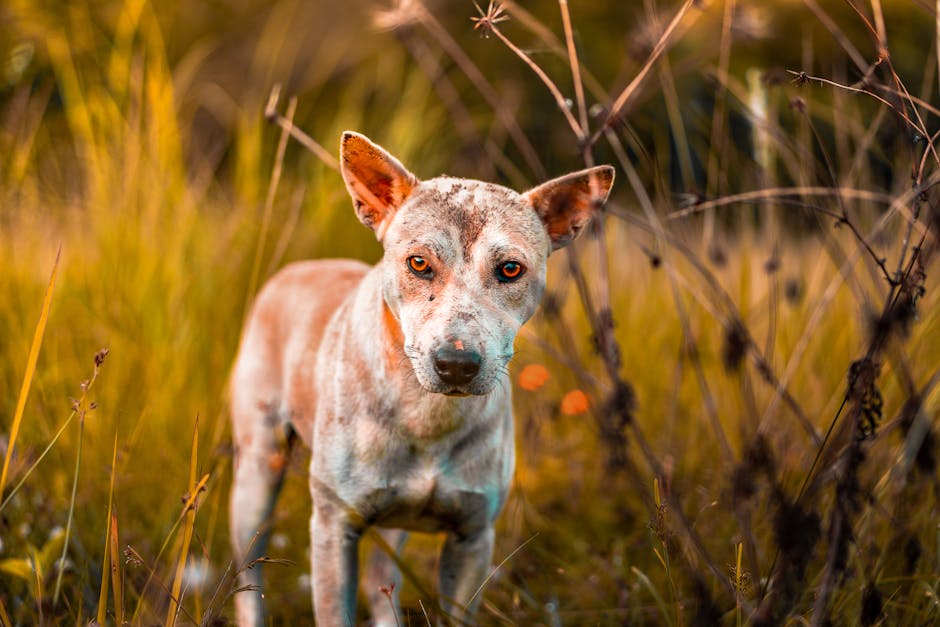
How canines sniff out diseases before doctors do
Have you ever wondered how canines have the ability to detect diseases before doctors do? Dogs possess an extraordinary sense of smell, which enables them to sniff out various illnesses in humans. This remarkable olfactory capacity goes beyond our comprehension.
Research has shown that dogs are capable of detecting diseases such as cancer, diabetes, Parkinson's, and even infections such as COVID-19. Their sense of smell is so powerful that they can detect certain diseases at incredibly early stages, far before conventional medical techniques can identify them.
So, how do dogs sniff out diseases? The answer lies in their highly developed olfactory system. Dogs have an estimated 220 million olfactory receptors, while humans possess only about 5 million. This difference in the number of receptors allows dogs to pick up on scents and odors that are completely undetectable to us.
Researchers believe that various diseases produce distinct odors or volatile organic compounds (VOCs) within the human body. Dogs are trained to identify these specific odors using their exceptional sense of smell. They can detect these odors in different samples, including breath, urine, sweat, and even certain types of cancer cells.
As astounding as it sounds, canine detection of diseases is being actively used in some healthcare settings. Cancer detection dogs, for example, can detect cancer cells in samples with remarkable accuracy. Dogs have been trained to alert researchers or medical professionals when they sense the presence of specific odors associated with particular diseases.
The potential applications of canine disease detection are vast. These loyal companions could help revolutionize early detection of diseases, potentially saving countless lives. However, it is important to note that while dogs can be highly accurate, their detection abilities can also be influenced by various factors, such as their training, environment, and the specific disease being targeted.
In conclusion, dogs possess an incredible ability to sniff out diseases before doctors do. Their heightened sense of smell allows them to detect distinct odors associated with various illnesses at early stages. While this field of research is still developing, it holds immense promise for improving early detection and potentially saving lives.