
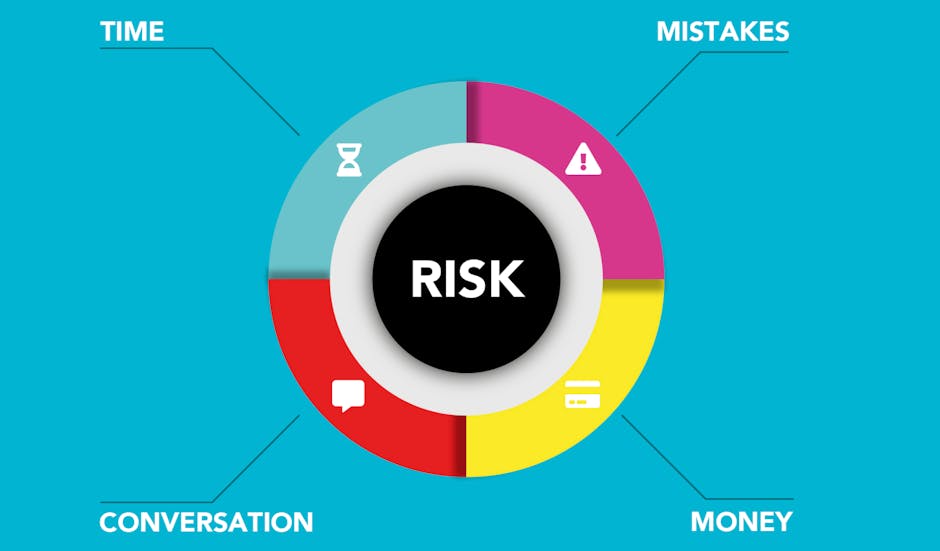
How to Spot Hidden Risks in Your Plans
Introduction
Creating a comprehensive plan is essential for the success of any project. But often, some risks remain hidden beneath the surface, lurking and potentially jeopardizing your efforts. Risk management involves more than just identifying obvious concerns; it requires a deep dive into potential pitfalls that are not immediately apparent.
Understanding Hidden Risks
Hidden risks are factors that could negatively impact your plan but are difficult to foresee during initial stages. These risks can arise from various sources, such as unforeseen market changes, technological vulnerabilities, or internal process gaps.
Strategies to Identify Hidden Risks
1. Conduct Thorough risk assessment
This process involves analyzing all aspects of your plan, including assumptions and dependencies. Be critical of your initial assumptions and challenge their validity.
2. Use scenario planning
Develop different scenarios to examine how changes in one area could impact your project. This helps uncover risks that might not be evident under normal circumstances.
3. Seek stakeholder feedback
Involving diverse perspectives can reveal risks that internal teams might overlook. Stakeholders often have insights based on their unique experiences.
4. Perform Regular Reviews
Continuous monitoring and periodic reviews of your plan enable early detection of emerging risks, especially those that develop over time.
Tools for Risk Detection
Leverage tools like risk matrices and FMEA to systematically identify and evaluate potential risks.
Conclusion
Spotting hidden risks in your plans requires diligence, critical thinking, and ongoing vigilance. By employing rigorous risk identification techniques and involving a broad range of perspectives, you can enhance your planning process and mitigate potential setbacks before they materialize.