
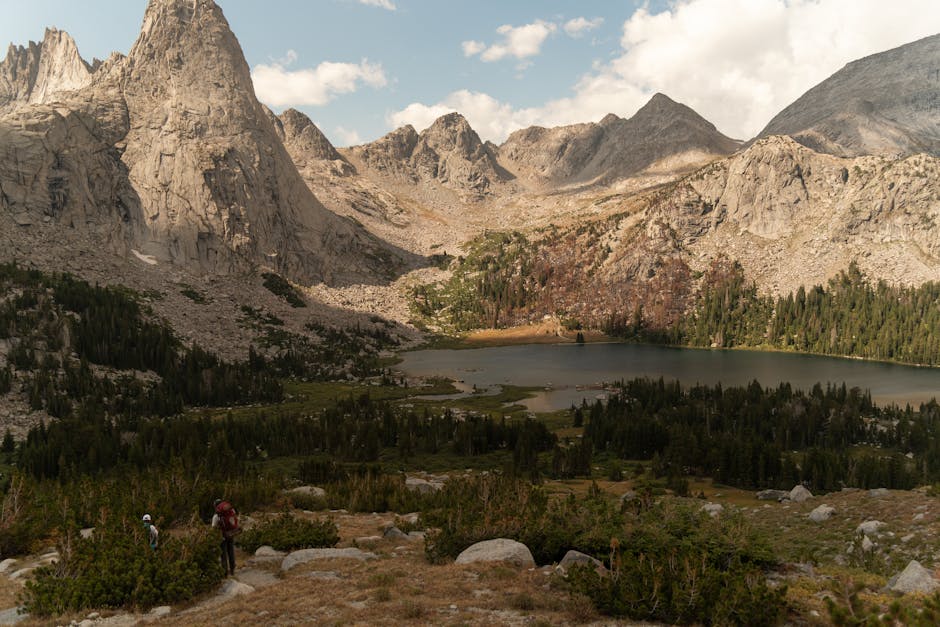
Implications of Global Warming on Mountain Biodiversity
Understanding Mountain Biodiversity
Mountain regions are some of the most biologically diverse yet fragile ecosystems on Earth. They host a wide variety of plant and animal species that are often unique to these elevations. The mountain biodiversity plays a crucial role in maintaining ecological balance and providing resources for local communities.
The Impact of Global Warming
Global warming has been accelerating in recent decades, leading to rising temperatures worldwide. In mountain environments, this results in significant climate change impacts such as melting glaciers, altered precipitation patterns, and shifting temperature zones. These changes threaten the stability of mountain ecosystems.
Effects on Species and Habitats
Many cold-adapted species are forced to migrate upward or face extinction due to rising temperatures. This species migration causes disruptions in food webs and biodiversity. Glacial retreat and snowline shifts also threaten freshwater habitats, affecting species that depend on these water sources.
Consequences for Ecosystem Services
Mountain ecosystems provide essential services such as water purification, soil conservation, and carbon storage. Loss of biodiversity from climate change can impair these services, impacting agriculture, water supply, and even tourism industries.
Conservation and Adaptation Strategies
Protecting mountain biodiversity requires targeted conservation efforts, including creating protected areas and promoting sustainable tourism. Additionally, understanding climate change trends can help implement adaptive management strategies to mitigate adverse effects.
What Can Be Done?
Global efforts to reduce greenhouse gas emissions are vital. Supporting reforestation projects and promoting policies for sustainable development are steps toward safeguarding mountain environments. Raising awareness about the importance of mountain biodiversity can also mobilize local and international action.
Conclusion
The implications of global warming on mountain biodiversity are profound, threatening the very existence of many species and the ecological functions of these regions. Immediate action and continued research are essential to preserve these delicate habitats for future generations.