
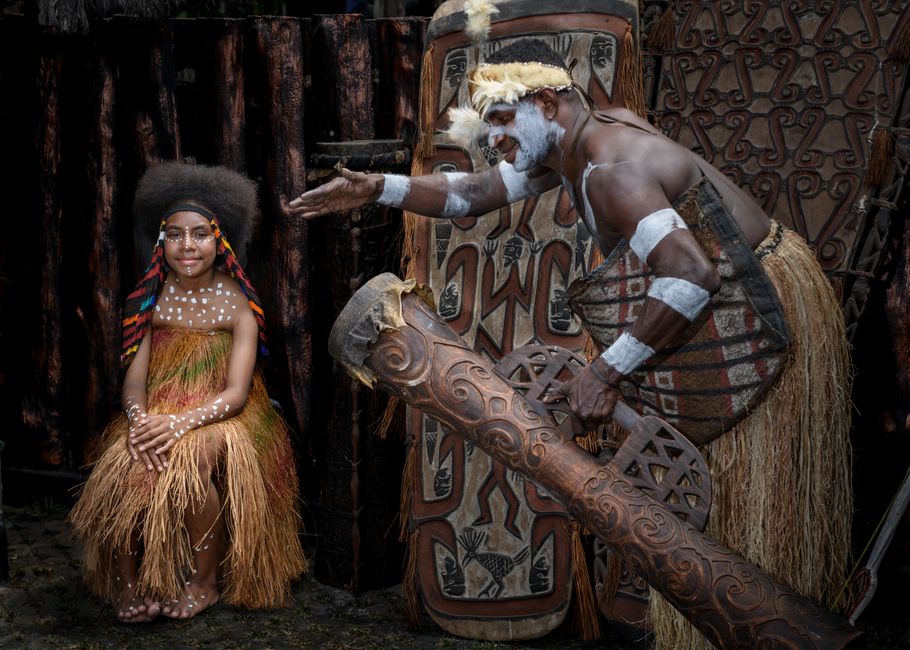
Exploring Indigenous Art Forms: A Journey Through Cultural Heritage
Understanding Indigenous Art Forms and Their Cultural Significance
Indigenous art forms are a vital part of cultural identity, serving as a window into the history, traditions, and spiritual beliefs of various communities worldwide. These unique and often time-honored techniques reflect the deep connection between the people and their environment.
The Diversity of Indigenous Art
From the intricate beadwork of Native American tribes to the vibrant textiles of Aboriginal Australians, indigenous art encompasses a wide range of styles and mediums. Each form carries its own symbolism and storytelling, making them invaluable cultural artifacts.
Techniques and Materials Used in Indigenous Art
Traditional techniques often involve natural materials such as clay, wood, stones, and plant fibers. For example, Aboriginal dot painting uses meticulously placed dots to create complex narratives, while indigenous basket weaving employs locally sourced grasses and reeds.
Preserving and Promoting Indigenous Art Today
Many indigenous communities actively work to preserve their cultural heritage through art. Contemporary artists also draw inspiration from traditional styles, blending old and new to keep their cultural expressions alive and relevant in modern society.
Where to Experience Indigenous Art
Visiting museums, cultural centers, and indigenous markets offers a glimpse into the vibrant world of indigenous art exhibitions. Supporting indigenous artists helps sustain these traditional art forms for future generations.