
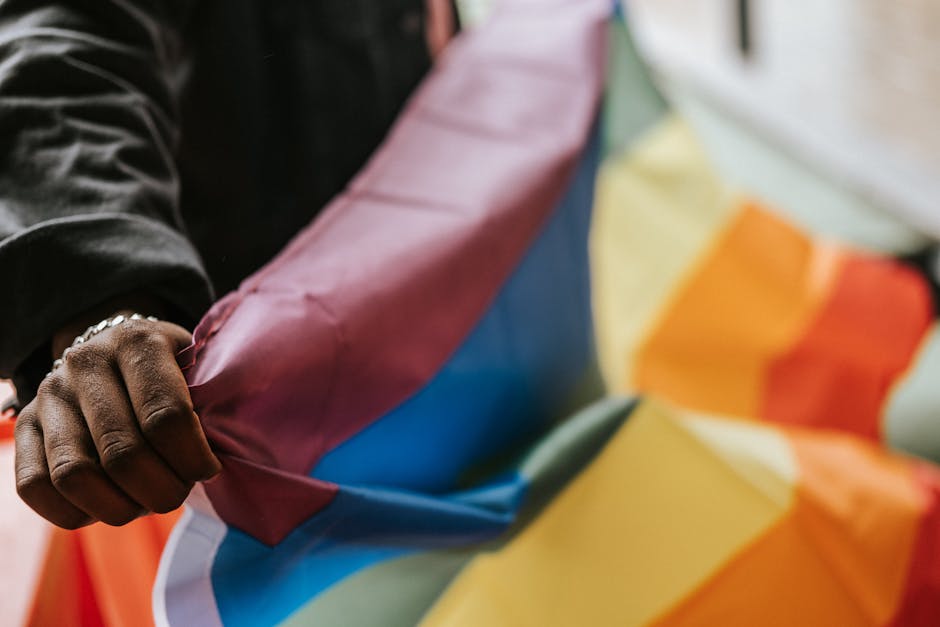
Understanding Intersectionality Within the LGBTQ+ Movement
The concept of intersectionality is crucial in understanding the varied experiences of individuals within the LGBTQ+ movement. Coined by Kimberlé Crenshaw, intersectionality refers to how different social identities such as race, gender, class, and sexuality intersect to create unique forms of discrimination and privilege.
Within the LGBTQ+ community, acknowledging intersectionality is essential for fostering inclusive spaces that respect diverse backgrounds. For instance, the experiences of queer people of color, transgender individuals from marginalized communities, and those with intersecting identities often face challenges that differ significantly from others in the movement.
By embracing intersectionality, activists can address a broader range of issues, from racial injustice to economic inequality, alongside LGBTQ+ rights. This approach promotes a more holistic understanding of discrimination and pushes for policies that acknowledge the complexity of identities.
Engaging in dialogues about inclusive activism and challenging biases within the movement are steps toward creating a truly equitable space. Supporting intersectional perspectives ensures that no one is left behind in the pursuit of equality.