
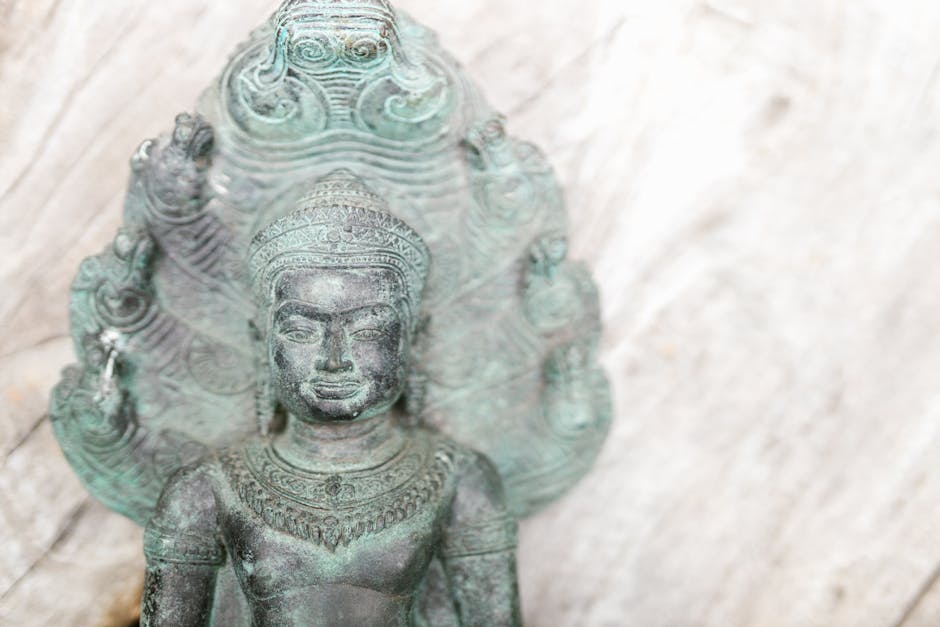
Understanding the Intricacies of Mythological Symbolism
Mythological symbolism is a rich tapestry woven with complex images and ideas that have been passed down through generations. These symbols often carry layers of meaning, representing abstract concepts, moral lessons, or cultural values.
Origins of Mythological Symbols
The origins of many mythological symbols can be traced back to ancient civilizations such as the Greeks, Romans, Egyptians, and others. These symbols served as a bridge between the divine and the mortal, depicting gods, heroes, and cosmic principles. Understanding the symbols and their meanings offers insight into how ancient cultures understood the universe.
Common Mythological Symbols and Their Significance
Some symbols are universally recognized, like the serpent representing rebirth, temptation, or wisdom. Others, such as the lion, often symbolize strength and courage. Exploring these symbols helps decode mythologies' messages about human qualities and the divine.
The Role of Mythological Symbolism in Modern Culture
Today, mythological symbolism influences literature, art, and popular culture. Recognizing these symbols in modern media allows us to appreciate the timeless themes embedded within stories and images. For instance, understanding the symbolism of the phoenix can inspire themes of renewal and hope in contemporary narratives.
Conclusion
Delving into the intricacies of mythological symbolism reveals that these symbols are more than simple images; they are vessels of meaning and cultural heritage. By studying them, we gain a deeper understanding of ancient worldviews and their continuing influence today.