
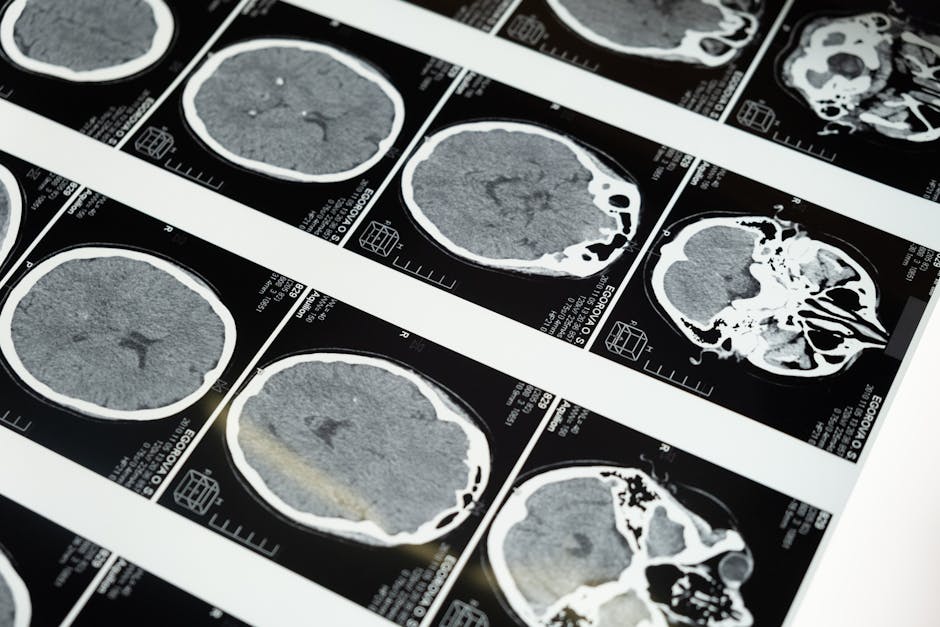
Magnetic Resonance Imaging (MRI) - A Comprehensive Guide
Magnetic Resonance Imaging (MRI) is a diagnostic imaging technique that uses a strong magnetic field and radio waves to generate detailed images of the internal structures of the body.
MRI is a non-invasive procedure that produces cross-sectional images, allowing healthcare professionals to visualize the inside of the body without the need for surgery or other invasive techniques. It is commonly used to diagnose and monitor a wide range of medical conditions, including brain and spinal cord injuries, tumors, joint and musculoskeletal disorders, and cardiovascular diseases.
The principles behind MRI involve the interaction between the body's hydrogen atoms and the magnetic field generated by the MRI machine. When the body is placed inside the machine, the hydrogen atoms align with the magnetic field. Radio waves are then directed at specific areas of the body, causing the hydrogen atoms to emit signals. These signals are processed by a computer and converted into detailed images that can be interpreted by radiologists and other healthcare professionals.
MRI offers several advantages over other imaging techniques, such as X-rays and CT scans. It does not use ionizing radiation, making it safer for patients, particularly pregnant women and children. MRI can also produce images from multiple angles, providing a clearer and more comprehensive view of the internal structures. Additionally, MRI can distinguish between different types of tissues, making it particularly useful in assessing soft tissues like muscles, tendons, ligaments, and organs.
Common applications of MRI include:
- Diagnosing and monitoring brain and spinal cord injuries
- Detecting and characterizing tumors
- Evaluating joint and musculoskeletal disorders like arthritis
- Assessing the extent of cardiovascular diseases, such as heart abnormalities and blood vessel blockages
- Guidance for surgical planning and procedures
MRI technology continues to advance, with newer techniques and enhancements being developed regularly. It is a powerful tool that aids in the accurate diagnosis and treatment of various medical conditions.